Menu

Call This Wednesday to Get $25 OFF
Clean Solutions, Dirty Jobs – Done Right. Reliable. Responsive. Remarkable.
Call This Wednesday to Get $25 OFF
Clean Solutions, Dirty Jobs – Done Right. Reliable. Responsive. Remarkable.
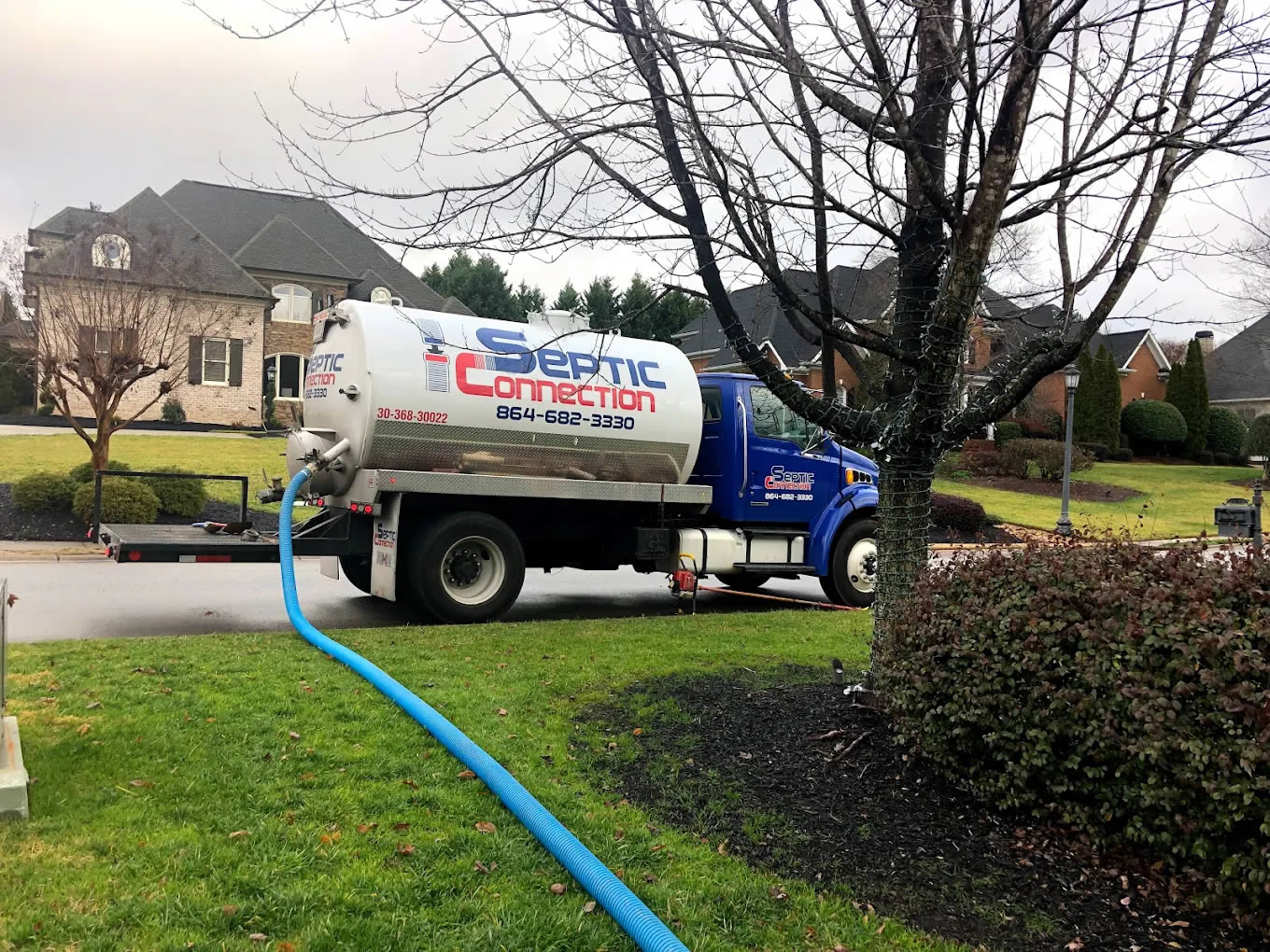
Your septic system works throughout the year, quietly handling wastewater from your home. However, changing weather conditions and seasonal habits can affect how well your system operates. Following a simple seasonal checklist can help homeowners identify potential problems early and keep their systems functioning properly. Whether you need septic tank pumping, routine septic cleaning, or professional septic service, staying proactive is an important part of protecting your property.
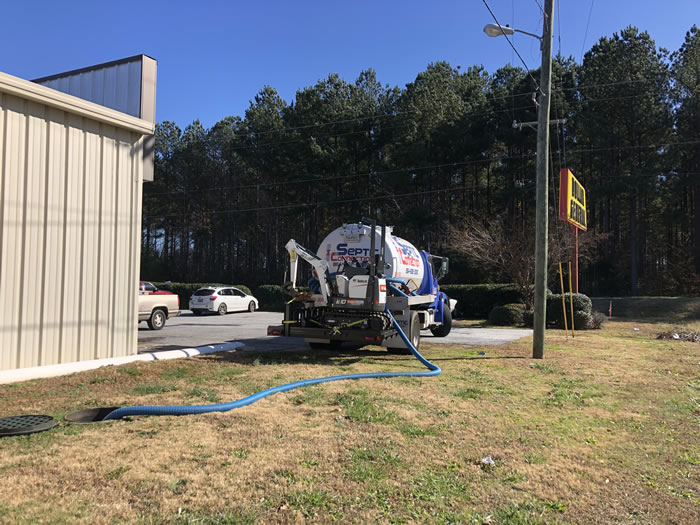
Spring is an ideal time to check your septic system after months of colder weather. Walk around the drain field and look for unusually wet areas, standing water, or patches of grass that appear significantly greener than the surrounding lawn. These could indicate that wastewater is not draining properly.
Spring is also a good time to schedule routine septic maintenance. If your tank is approaching its recommended pumping interval, arranging septic tank pumping in Piedmont can remove accumulated solids before they interfere with the system's operation.
Avoid driving heavy vehicles or parking equipment over the drain field, particularly when the ground is soft from spring rainfall. Excessive weight can damage components or compact the soil.
Lift station problems don’t grade on a curve. A pump running at half capacity or cycling too often is already costing…
The septic system is an onsite waste treatment facility, and it is incredibly reliable. However, the system is only as effective…
Imagine flushing your toilet and then suddenly realizing that your backyard has turned into a swampy mess. This unpleasant experience is…
Soil testing is a critical step in various construction and environmental projects. It provides essential information about the ground conditions, which…
Grease traps are remarkable tools that help keep your establishment clean and free from bad odors. Septic Connection has a…
Summer often means increased household activity, guests, vacations, and outdoor gatherings. More people using your plumbing can place additional demands on the septic system. Be mindful of what goes down your drains. Avoid flushing wipes, paper towels, feminine hygiene products, grease, chemicals, and other materials that can interfere with your septic system. Only toilet paper and appropriate waste should be flushed.
Summer is also a good time to inspect the area around your septic system. Keep trees and large shrubs from growing too close to septic components, since roots can interfere with pipes and other parts of the system. If you notice slow drains, unpleasant odors, gurgling toilets, or unusually wet areas near the drain field, contact a septic company rather than waiting for the problem to worsen.
Before winter arrives, give your septic system another quick inspection. Look for signs of leaks, drainage problems, or damaged components that should be addressed before temperatures drop.
Fall is also a practical time to schedule septic cleaning or pumping if your tank is due for service. Keeping the tank from becoming overly full reduces the likelihood of backups during the winter months.
Clear leaves and other debris away from accessible septic components, but avoid disturbing the soil over the tank or drain field. Maintaining healthy grass over the drain field can also provide some natural protection against temperature changes.
Cold temperatures can create additional challenges for septic systems, particularly if pipes or components are poorly insulated or the system is used infrequently. Avoid driving or parking heavy vehicles over the septic tank and drain field. Snow cover can provide some insulation, so homeowners should avoid unnecessarily removing snow from the area.
If you have a seasonal property that will remain vacant during winter, ask a professional septic service provider about appropriate steps for protecting the system while the property is unoccupied.
While each season presents different considerations, consistent septic maintenance is the best way to keep your system operating efficiently. Follow recommended pumping schedules, conserve water when possible, avoid flushing harmful materials, and pay attention to changes in drainage or odors.
A professional septic company can inspect your system, perform necessary cleaning and pumping, and identify developing issues before they turn into costly emergencies. With the right seasonal habits and professional care from Septic Connection, homeowners can help protect their septic systems throughout spring, summer, fall, and winter.

Most homeowners understand that what goes down the drain affects their septic system, but many don't realize that how much water they use is just as important. Excessive…
Read more
Choosing a reliable septic company is one of the most important decisions a homeowner with a septic system can make. While many contractors advertise low prices, the final…
Read more