Menu

Call This Wednesday to Get $25 OFF
Clean Solutions, Dirty Jobs – Done Right. Reliable. Responsive. Remarkable.
Call This Wednesday to Get $25 OFF
Clean Solutions, Dirty Jobs – Done Right. Reliable. Responsive. Remarkable.
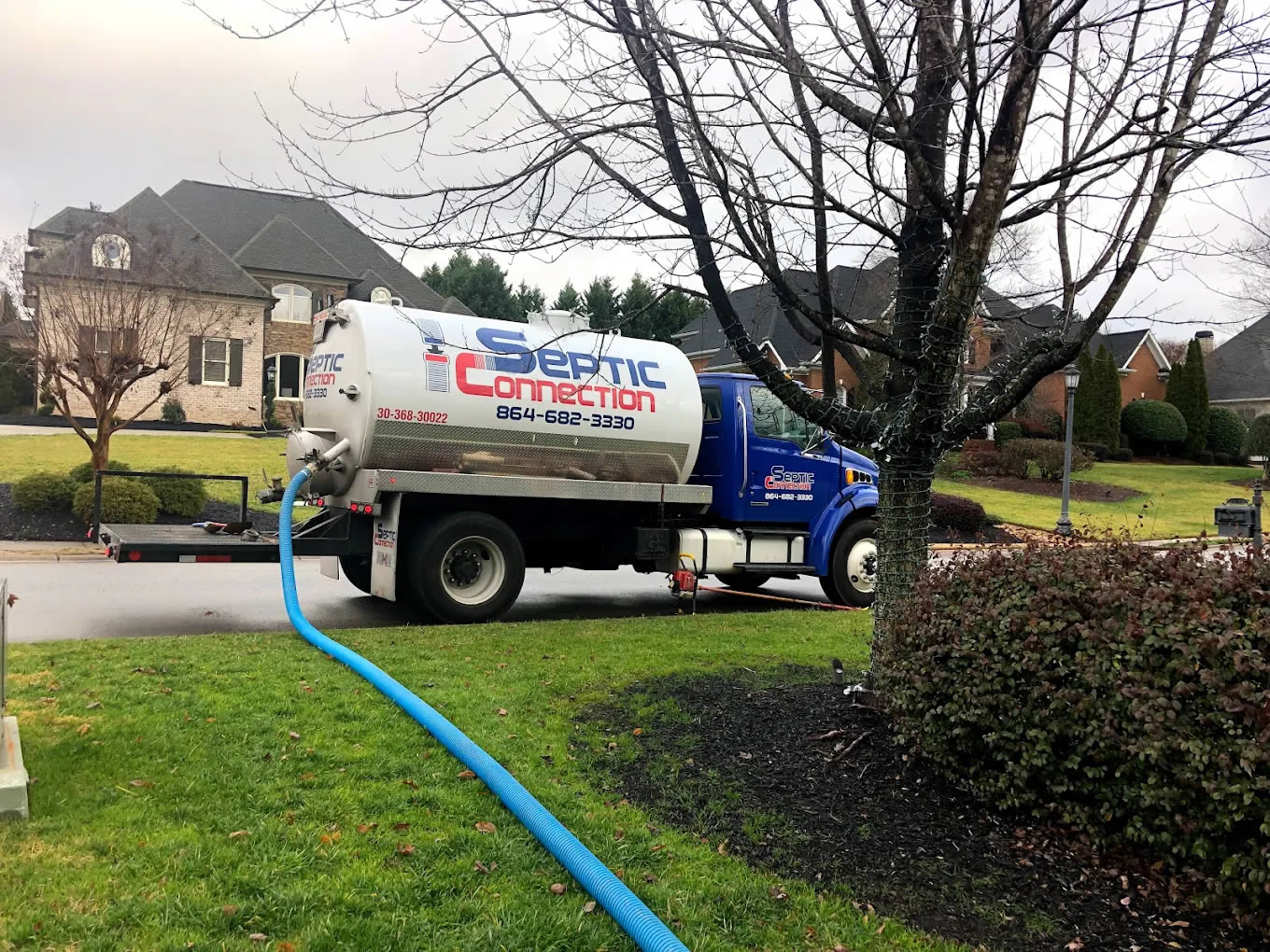
Your septic system quietly handles wastewater every day, making it one of the hardest-working systems on your property. Because everything happens underground, it's easy to forget about it until something goes wrong. Unfortunately, waiting until there's a backup or sewage leak can lead to expensive repairs and major inconvenience.
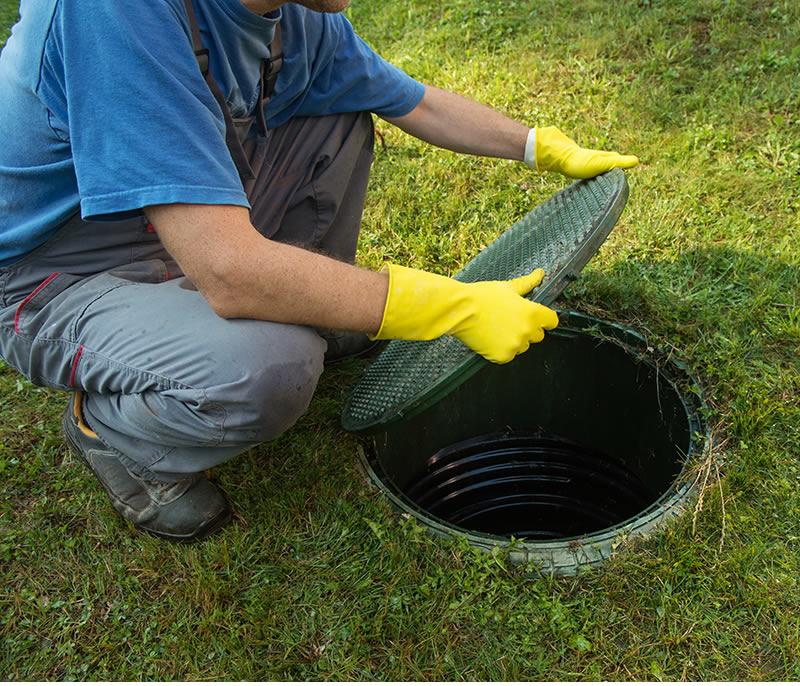
Knowing the warning signs of a full septic tank can help you schedule septic tank pumping before small issues turn into costly emergencies. At Septic Connection, we encourage homeowners to stay alert to the early symptoms of a full tank so they can protect their home and their septic system.
One of the first and most noticeable signs of a full septic tank is an unpleasant odor. If you notice a persistent sewage smell near your yard, around the septic tank, or even inside your home near drains, your septic system may be reaching capacity.
While occasional odors can happen for other reasons, strong or lingering smells should never be ignored. They often indicate that waste isn't flowing through the system properly and that it's time for professional septic service in Hodges, SC.
Lift station problems don’t grade on a curve. A pump running at half capacity or cycling too often is already costing…
The septic system is an onsite waste treatment facility, and it is incredibly reliable. However, the system is only as effective…
Imagine flushing your toilet and then suddenly realizing that your backyard has turned into a swampy mess. This unpleasant experience is…
Soil testing is a critical step in various construction and environmental projects. It provides essential information about the ground conditions, which…
Grease traps are remarkable tools that help keep your establishment clean and free from bad odors. Septic Connection has a…
A single slow drain may simply have a clog, but when multiple sinks, showers, and tubs begin draining slowly at the same time, your septic system could be the culprit.
A full tank limits the system's ability to process wastewater efficiently. As a result, water moves more slowly through your plumbing and may begin backing up into fixtures. If you're noticing slow drains throughout your home, it's wise to have your septic system inspected before the problem worsens.
Toilets often provide some of the earliest clues that your septic tank needs attention.
Watch for signs like:
These symptoms can indicate that wastewater has nowhere to go because the tank is approaching its storage limit.
Another warning sign is unexplained pooling water near your septic tank or drainfield. If the ground around your septic system feels unusually soft or remains wet even during dry weather, excess wastewater may be escaping because the tank is too full.
Standing water should always be evaluated promptly, as it may indicate that your system is under stress and requires immediate septic maintenance.
While a lush lawn usually looks appealing, an unusually green or fast-growing patch of grass above your septic tank or drainfield can actually signal trouble.
When an overloaded septic system releases excess moisture and nutrients into the surrounding soil, vegetation often grows more quickly in those areas. Although healthy grass seems harmless, it can be an early indicator that your septic system needs professional attention.
If wastewater begins backing up into sinks, tubs, showers, or floor drains, your septic tank has likely exceeded its capacity. This is the point every homeowner hopes to avoid. Sewage backups create unpleasant odors, introduce harmful bacteria into the home, and often require extensive cleanup in addition to emergency septic cleaning. Acting before backups occur is always the safer and more affordable approach.
One of the easiest ways to prevent septic problems is to follow a regular pumping schedule. Most residential systems benefit from septic tank pumping every three to five years, although the ideal frequency depends on factors such as:
A trusted septic company can recommend a maintenance schedule that's appropriate for your specific system.
While the "sniff test" is helpful, it's only one piece of the puzzle. Some full septic tanks produce very little odor until serious problems develop. That's why homeowners should also pay attention to slow drains, unusual lawn conditions, standing water, and changes in toilet performance. Routine inspections and preventive maintenance are far more reliable than waiting for obvious symptoms to appear.
Your septic system is designed to provide years of dependable service, but only when it's properly maintained. Recognizing the warning signs of a full tank allows you to schedule septic service before costly damage occurs.
At Septic Connection, we're committed to helping homeowners protect their investment with dependable septic cleaning, routine septic maintenance, and professional septic tank pumping. Staying proactive today can help you avoid messy emergencies tomorrow and keep your septic system operating efficiently.

Most homeowners understand that what goes down the drain affects their septic system, but many don't realize that how much water they use is just as important. Excessive…
Read more
Choosing a reliable septic company is one of the most important decisions a homeowner with a septic system can make. While many contractors advertise low prices, the final…
Read more