Menu

Call This Wednesday to Get $25 OFF
Clean Solutions, Dirty Jobs – Done Right. Reliable. Responsive. Remarkable.
Call This Wednesday to Get $25 OFF
Clean Solutions, Dirty Jobs – Done Right. Reliable. Responsive. Remarkable.
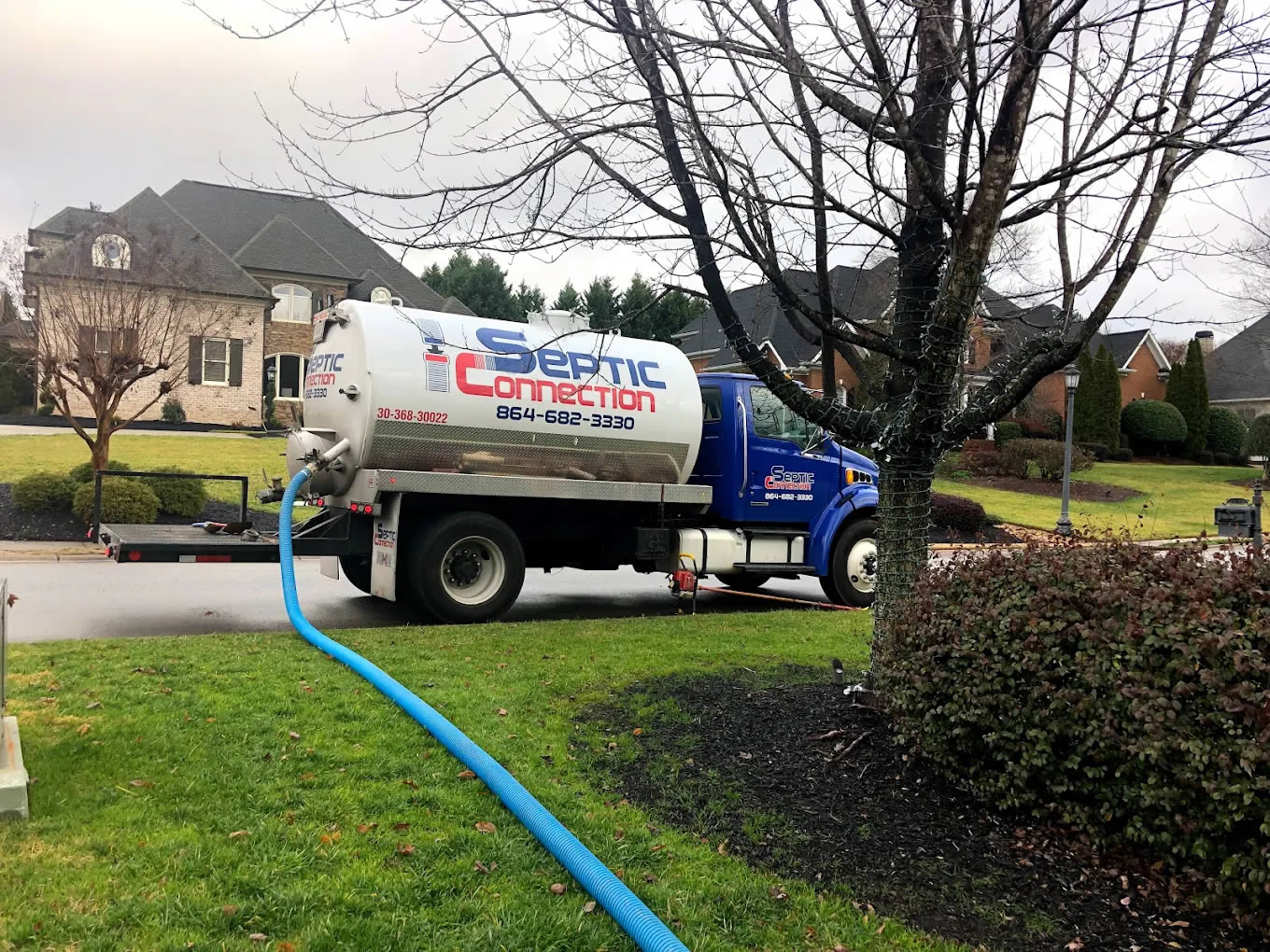
Most homeowners understand that what goes down the drain affects their septic system, but many don't realize that how much water they use is just as important. Excessive water usage can overwhelm a septic system, reducing its efficiency and increasing the risk of backups, drain field problems, and costly repairs. By managing your household's water consumption and scheduling regular septic maintenance, you can help your system perform reliably.
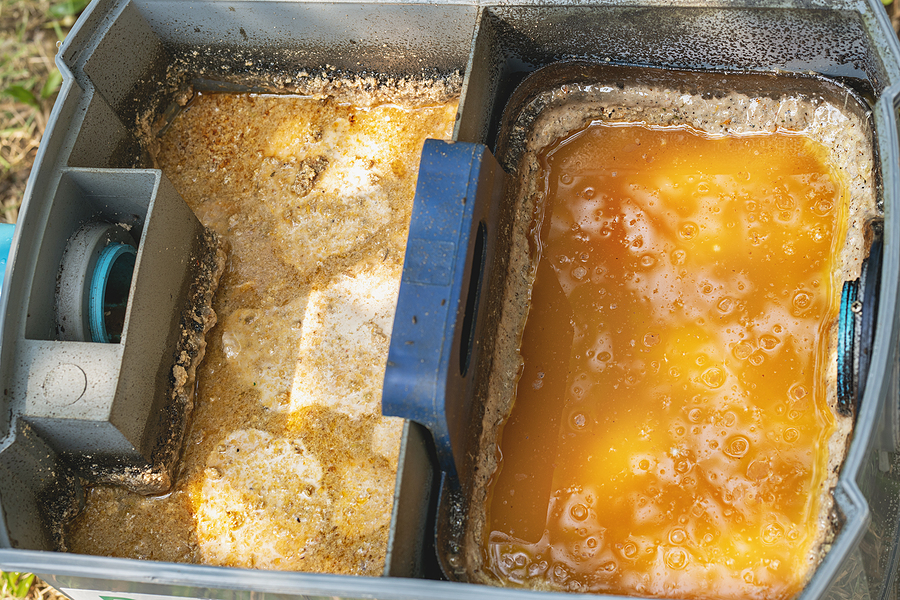
A septic system is designed to separate wastewater into three layers: solids settle at the bottom of the tank, oils and grease float to the top, and the liquid wastewater flows into the drain field for natural filtration through the soil.
The system relies on time to properly separate these materials. When too much water enters the tank too quickly, wastewater may leave the tank before solids have a chance to settle. As a result, solid waste can enter the drain field, causing clogs and reducing the system's effectiveness. Maintaining a healthy balance between water usage and system capacity is one of the best ways to protect your investment.
Every septic system is designed to handle a certain amount of wastewater each day. When your household consistently exceeds that capacity, problems can develop over time.
Lift station problems don’t grade on a curve. A pump running at half capacity or cycling too often is already costing…
The septic system is an onsite waste treatment facility, and it is incredibly reliable. However, the system is only as effective…
Imagine flushing your toilet and then suddenly realizing that your backyard has turned into a swampy mess. This unpleasant experience is…
Soil testing is a critical step in various construction and environmental projects. It provides essential information about the ground conditions, which…
Grease traps are remarkable tools that help keep your establishment clean and free from bad odors. Septic Connection has a…
Common causes of excessive water usage include:
Even a small plumbing leak can waste hundreds of gallons of water each month, placing unnecessary strain on your septic system.
One of the simplest ways to protect your septic system is to spread water usage throughout the day instead of using large amounts all at once. For example, rather than washing five loads of laundry in a single afternoon, consider doing one or two loads each day. Similarly, staggering showers, dishwashing, and other water-intensive activities allows your septic tank more time to process incoming wastewater.
This simple habit can significantly reduce stress on your system and help prevent premature wear.
Installing water-efficient fixtures benefits both your utility bills and your septic system.
Consider upgrading to:
These upgrades reduce daily water consumption without sacrificing comfort or convenience, helping your septic system operate more efficiently.
While reducing water usage is important, it doesn't eliminate the need for routine septic maintenance. Over time, solid waste naturally accumulates inside the septic tank and must be removed before it reaches levels that interfere with proper operation.
Routine septic tank pumping removes accumulated sludge and helps prevent solids from entering the drain field. Depending on household size, water usage, and tank capacity, most septic systems benefit from pumping every three to five years.
Your septic system is one of the most important components of your home, and proper water management plays a major role in keeping it functioning properly. By using water wisely, repairing leaks promptly, installing efficient fixtures, and scheduling regular septic cleaning and septic tank pumping, you can extend the life of your system while reducing the likelihood of unexpected repairs.
At Septic Connection, homeowners can count on dependable septic service tailored to their system's needs. Whether it's routine septic cleaning, scheduled septic tank pumping in Pendleton, inspections, or preventative septic maintenance, the experienced team is committed to helping your septic system operate efficiently year after year. With proper care and professional support, you can enjoy peace of mind knowing your septic system is ready to handle your household's daily demands.
Most homeowners understand that what goes down the drain affects their septic system, but many don't realize that how much water they use is just as important. Excessive…
Read more
Choosing a reliable septic company is one of the most important decisions a homeowner with a septic system can make. While many contractors advertise low prices, the final…
Read more