Menu

Call This Wednesday to Get $25 OFF
Clean Solutions, Dirty Jobs – Done Right. Reliable. Responsive. Remarkable.
Call This Wednesday to Get $25 OFF
Clean Solutions, Dirty Jobs – Done Right. Reliable. Responsive. Remarkable.
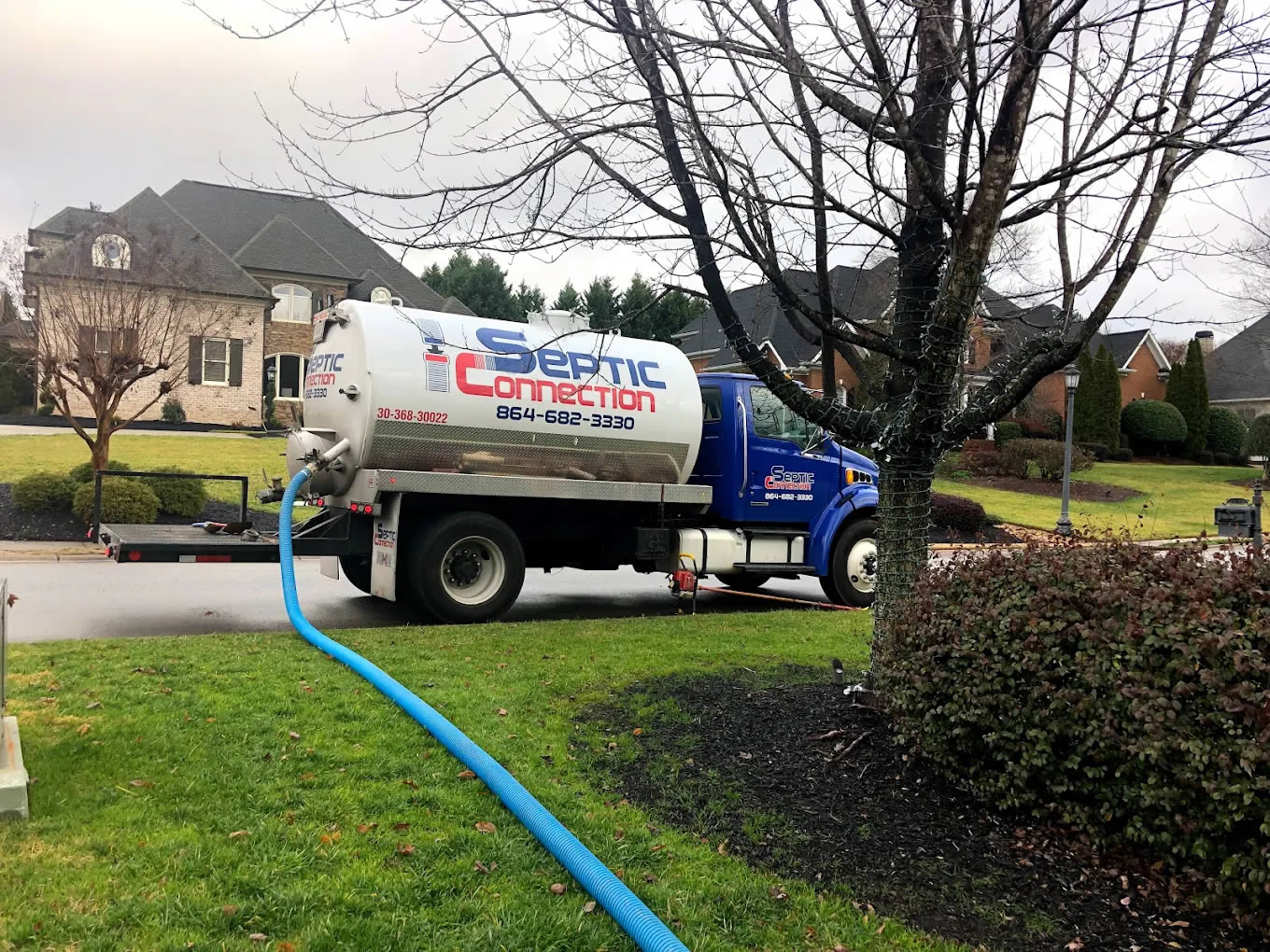
An abandoned septic system can pose serious environmental and health risks if not properly managed. Whether you’ve purchased a property with an old, unused septic system or are dealing with an outdated system on your land, knowing how to handle it safely is crucial. This guide will walk you through the essential steps to deal with an abandoned septic system, including when to call Septic Connection for assistance and the importance of septic tank pumping.
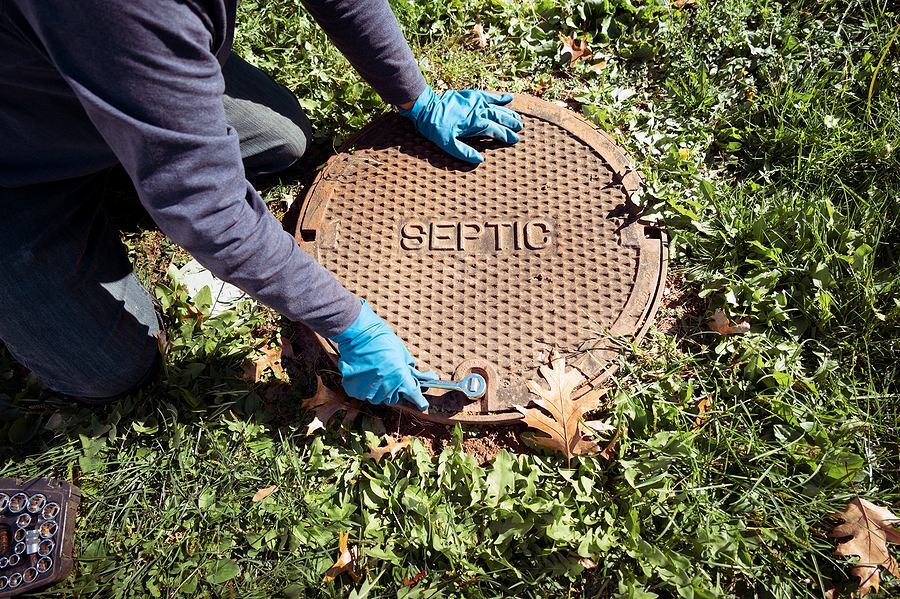
Old or abandoned septic systems can become hazardous over time. Here’s why they should not be ignored.
If you suspect that a septic system has been abandoned on your property, look for the following signs.
The first and most important step is to contact a septic company to inspect the system. A professional will determine whether the system can be repaired, properly decommissioned, or removed.
Lift station problems don’t grade on a curve. A pump running at half capacity or cycling too often is already costing…
The septic system is an onsite waste treatment facility, and it is incredibly reliable. However, the system is only as effective…
Imagine flushing your toilet and then suddenly realizing that your backyard has turned into a swampy mess. This unpleasant experience is…
Soil testing is a critical step in various construction and environmental projects. It provides essential information about the ground conditions, which…
Grease traps are remarkable tools that help keep your establishment clean and free from bad odors. Septic Connection has a…
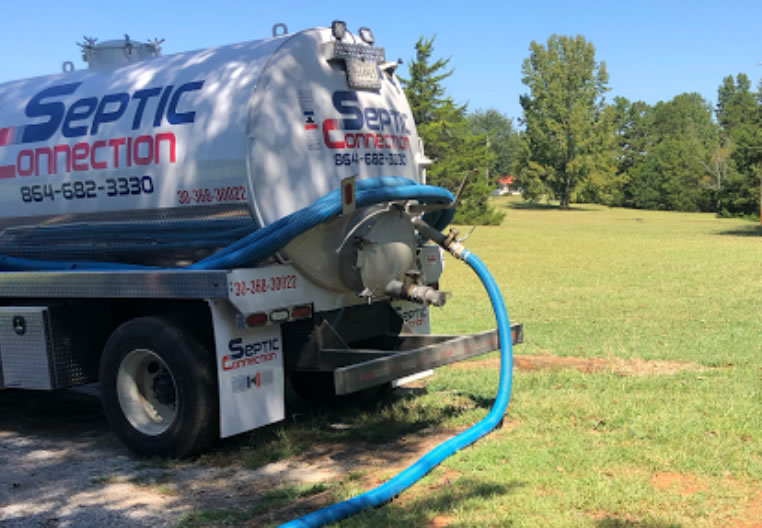
If the septic tank still holds wastewater, septic tank pumping is necessary to prevent leaks or contamination. Pumping removes any remaining waste and prepares the system for further action.
After pumping, the septic company will inspect the tank and drain field for structural damage, leaks, or contamination issues. They will assess whether the tank can be rehabilitated or if it needs complete removal.
There are two main ways to deal with an abandoned septic system.
Decommissioning the Septic Tank: If the tank is no longer in use and poses no immediate danger, it can be decommissioned by:
Removing the Septic Tank: If the tank is structurally unstable or in violation of local regulations, removal may be required. This process involves:
Pumping out the tank.
An old septic system may have leaked contaminants into the surrounding soil and groundwater. A septic professional can perform tests to determine if additional remediation is needed.
Septic system abandonment is subject to local health and environmental codes. Always check with local authorities or your septic company in Gray Court to ensure compliance with proper closure procedures.
To avoid problems with septic systems in the future, keep the following tips in mind.
Dealing with an abandoned septic system is not a task to take lightly. From environmental risks to potential legal issues, it’s essential to address unused septic systems properly. Whether you need septic tank pumping or a full system removal, working with an experienced septic company like Septic Connection is the best way to ensure a safe and compliant process. Taking proactive steps now will protect your property, health, and the surrounding environment.
Most homeowners understand that what goes down the drain affects their septic system, but many don't realize that how much water they use is just as important. Excessive…
Read more
Choosing a reliable septic company is one of the most important decisions a homeowner with a septic system can make. While many contractors advertise low prices, the final…
Read more