Menu

Call This Thursday to Get $25 OFF
Clean Solutions, Dirty Jobs – Done Right. Reliable. Responsive. Remarkable.
Call This Thursday to Get $25 OFF
Clean Solutions, Dirty Jobs – Done Right. Reliable. Responsive. Remarkable.
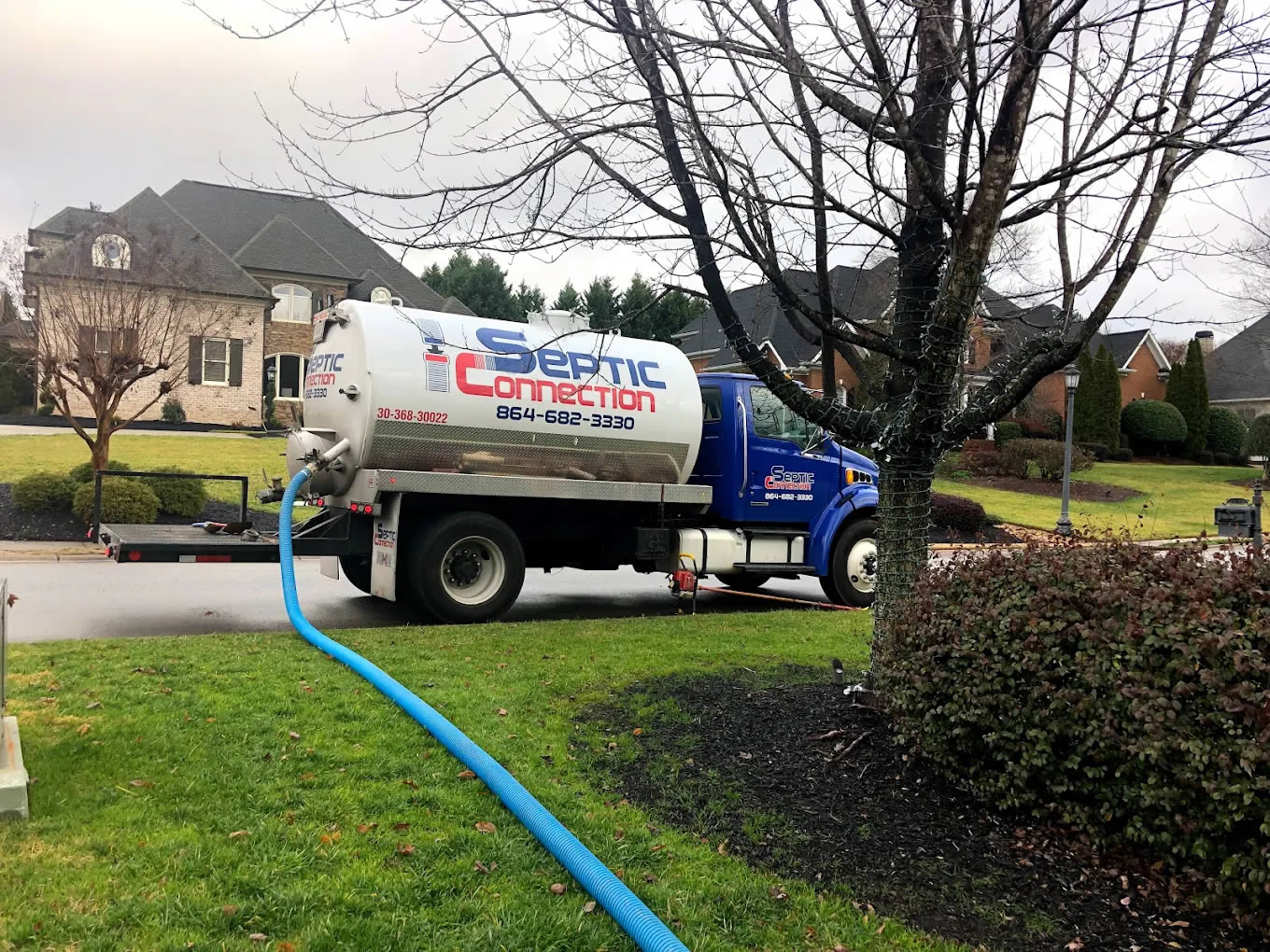
Septic systems are vital to wastewater management in areas without access to municipal sewer systems. However, embarking on a septic tank installation and the overall system operation are regulated by zoning laws. This goes a long way to protect public health and the environment. At Septic Connection, we provide guidance and pertinent information to help you understand how and where a septic system can be installed, maintained, and operated.
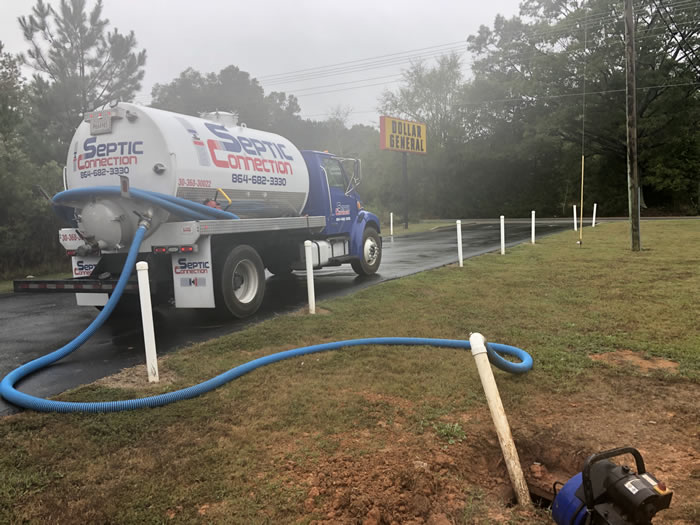
Zoning laws related to wastewater treatment systems control various aspects of construction and operation. These regulations prevent contamination of groundwater, rivers, and other water bodies. Improper septic tank installation and malfunction can release harmful bacteria and chemicals into the environment, posing serious health risks. The laws ensure that septic systems are located in areas where they can operate efficiently without endangering the water supply or the surrounding community.
One of the most critical aspects of septic system zoning laws is regulating where these systems can be installed. These regulations usually stipulate the minimum distance that must be maintained between a septic system and various features like wells, rivers, lakes, and property lines. Most laws require tanks to be placed at least 50 feet from water sources to prevent contamination.
These placement rules are not just recommendations; they are legally binding and strictly enforced. Failing to comply with these zoning laws can result in hefty fines and the requirement to relocate or redesign the septic system. Also, placement laws ensure easy access during maintenance like septic tank pumping, which is conducted regularly.
Lift station problems don’t grade on a curve. A pump running at half capacity or cycling too often is already costing…
The septic system is an onsite waste treatment facility, and it is incredibly reliable. However, the system is only as effective…
Imagine flushing your toilet and then suddenly realizing that your backyard has turned into a swampy mess. This unpleasant experience is…
Soil testing is a critical step in various construction and environmental projects. It provides essential information about the ground conditions, which…
Grease traps are remarkable tools that help keep your establishment clean and free from bad odors. Septic Connection has a…
Zoning laws also significantly influence property development. Before purchasing land or beginning construction, it's essential to understand the septic system requirements in that area. These regulations can affect the size and layout of your property and the types of buildings that can be constructed. If the zoning laws require a large leach field or prohibit septic systems on certain soil types, it could limit where you can build your property. A professional septic company can account for these laws to avoid costly delays and redesigns.
Zoning laws don't just govern the installation of septic systems; they also cover routine care and inspection. Regular maintenance like septic tank pumping and cleaning are often required to ensure the system functions correctly and does not pose a risk to public health. In some areas, homeowners must have their septic systems inspected annually or biannually, with reports submitted to local health departments. Maintenance regulations also dictate how often to schedule septic tank cleaning or pumping, depending on its size and the number of people using the system. Following these maintenance laws helps prevent septic tank repair or replacement emergencies, and environmental contamination.
Ignoring or violating septic system zoning laws can lead to severe consequences. Penalties can include fines, legal action, and, in extreme cases, the forced removal of the septic system. In addition, non-compliance can complicate the sale of your property, as prospective buyers may be reluctant to purchase a property with an unapproved or improperly maintained septic system. It's always more cost-effective to comply with zoning laws from the outset rather than face the legal repercussions and recurring septic tank repair costs later.
Septic system zoning laws are more than just regulations. By understanding and adhering to these laws, you can ensure that your septic system operates efficiently and safely. Whether you are a homeowner, property developer, or business owner, working with a trusted septic company is crucial to ensure compliance with zoning laws in your area. Contact us at Septic Connection and schedule a consultation with our experts. At friendly rates, we provide in-depth assessments and comprehensive maintenance services, like septic tank cleaning. Compliance with wastewater treatment system regulations is not just a legal obligation; it's a responsibility that benefits the entire community.

Many products marketed as “flushable wipes” claim to be safe for plumbing and sewer systems. Unfortunately, homeowners with septic systems often discover that these wipes can create serious and expensive…
Read more
A septic system is one of the most important parts of a home, yet many homeowners rarely think about it until something goes wrong. One of the most common questions…
Read more