Menu

Call This Sunday to Get $25 OFF
Clean Solutions, Dirty Jobs – Done Right. Reliable. Responsive. Remarkable.
Call This Sunday to Get $25 OFF
Clean Solutions, Dirty Jobs – Done Right. Reliable. Responsive. Remarkable.
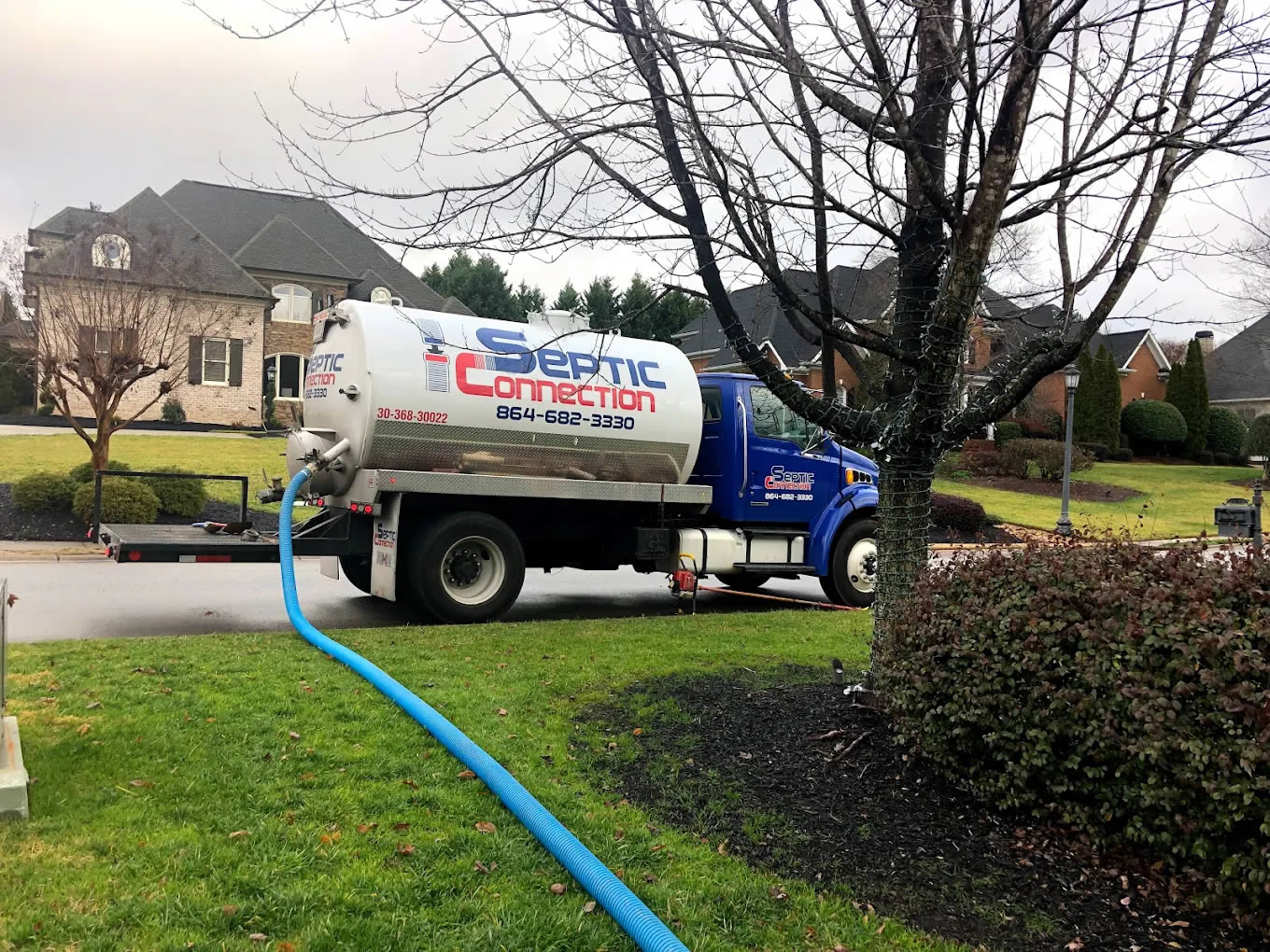
Many homeowners want an easy way to keep their septic system healthy. Store-bought septic treatments often promise to break down waste, reduce odors, and support bacteria inside the tank. Because these products are simple to use and widely available, it is easy to wonder whether they can replace professional septic service. The short answer is no. While some treatments may support normal bacterial activity, they cannot take the place of septic tank pumping, septic cleaning, inspections, or proper septic maintenance.
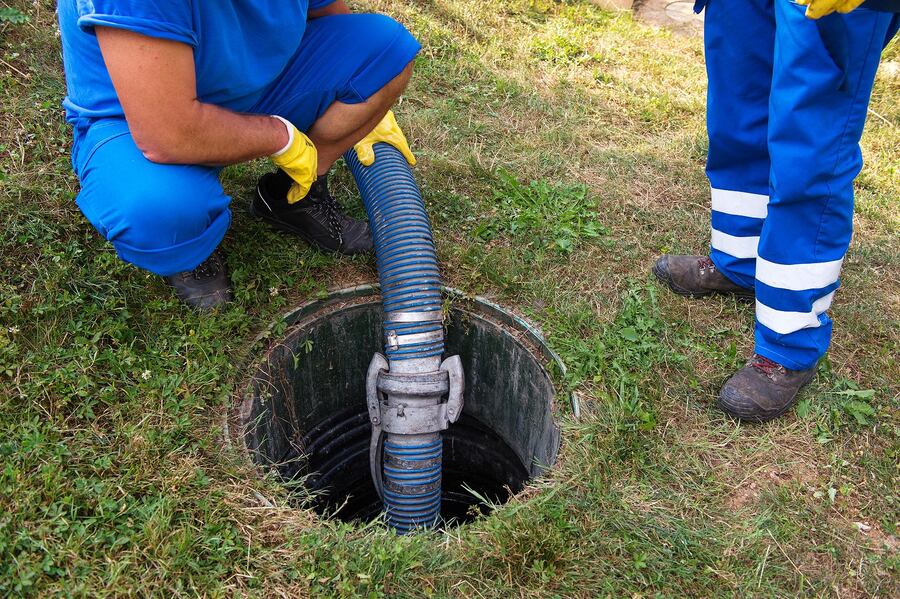
Septic Connection helps homeowners understand the difference between helpful habits and services that are truly necessary. A septic system is a major part of your home, and relying only on additives can lead to bigger problems if the tank is not professionally maintained.
Most store-bought septic treatments are marketed as liquids, powders, packets, or tablets. They usually contain bacteria, enzymes, or chemical ingredients that claim to help break down solids in the tank. Some products also advertise odor control or drain improvement.
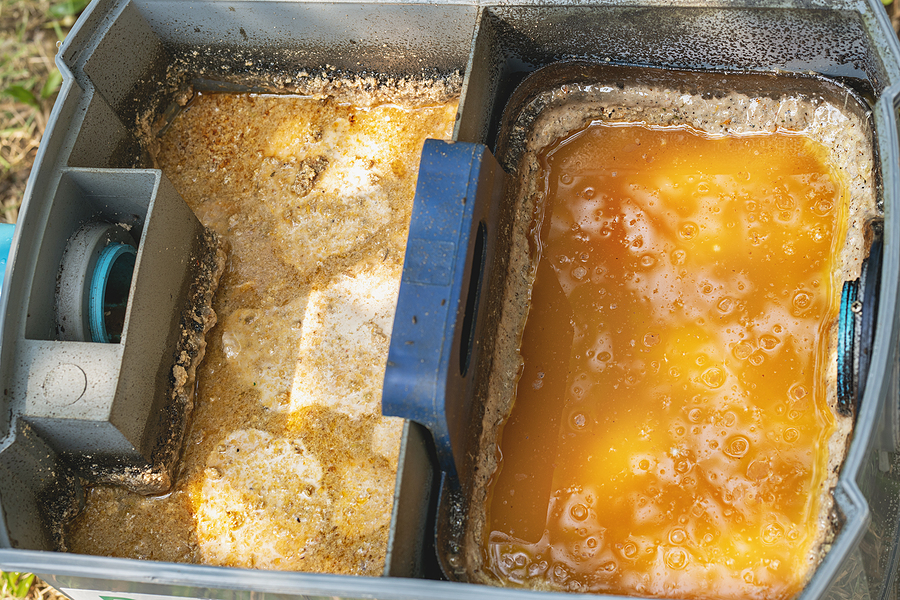
A healthy septic tank already contains natural bacteria that break down waste. These bacteria are important, but they do not make solids disappear completely. Over time, sludge builds up at the bottom of the tank, and scum collects near the top. No store-bought product can remove that buildup the way septic tank pumping in Taylors, SC can.
Lift station problems don’t grade on a curve. A pump running at half capacity or cycling too often is already costing…
The septic system is an onsite waste treatment facility, and it is incredibly reliable. However, the system is only as effective…
Imagine flushing your toilet and then suddenly realizing that your backyard has turned into a swampy mess. This unpleasant experience is…
Soil testing is a critical step in various construction and environmental projects. It provides essential information about the ground conditions, which…
Grease traps are remarkable tools that help keep your establishment clean and free from bad odors. Septic Connection has a…
Septic tank pumping physically removes accumulated sludge and waste from the tank. This is one of the most important parts of septic maintenance. If the tank is not pumped when needed, solids can move into the drain field. Once that happens, the soil can become clogged, leading to slow drains, sewage backups, standing water, and expensive repairs.
Store-bought treatments cannot empty a full tank. They also cannot inspect the condition of the tank, baffles, lids, pipes, or drain field. A professional septic company has the equipment and experience needed to identify problems before they become emergencies.
One of the biggest concerns with septic additives is that they may give homeowners a false sense of security. Someone may think that using a monthly treatment means they can delay septic cleaning or skip routine service. Unfortunately, this can allow hidden problems to get worse.
Some additives may also contain harsh chemicals that disrupt the natural bacterial balance in the tank. Others may break solids into smaller particles, making it easier for them to flow into the drain field. That can increase the risk of clogs and system failure. Before using any product, homeowners should be cautious and avoid anything that claims to eliminate the need for professional septic service.
Professional septic service is more complete than simply adding bacteria to a tank. Depending on your system’s needs, a technician may check the tank level, inspect components, look for leaks, evaluate drain field warning signs, and recommend a pumping schedule. Septic cleaning removes buildup that additives cannot handle.
Routine service also helps homeowners understand how their daily habits affect the system. Water usage, laundry routines, toilet flushing habits, garbage disposal use, and drain choices can all impact septic performance.
Instead of depending on store-bought treatments, focus on habits that protect the system every day.
These steps do more for long-term septic health than relying on additives alone.
Store-bought septic treatments may seem convenient, but they should never replace professional septic service. Septic tank pumping, septic cleaning, inspections, and routine septic maintenance are essential for keeping the system safe and reliable. Septic Connection provides the professional care homeowners need to protect their septic systems and avoid costly problems. When it comes to septic health, additives may play a small role, but expert service is what truly keeps your system working properly.
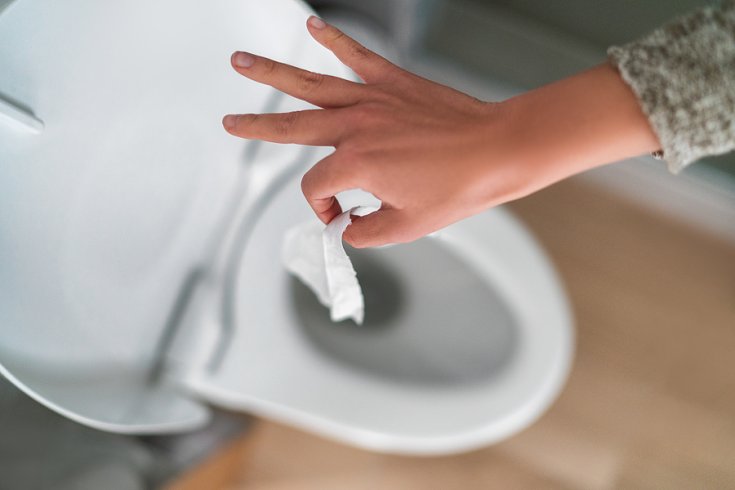
Many products marketed as “flushable wipes” claim to be safe for plumbing and sewer systems. Unfortunately, homeowners with septic systems often discover that these wipes can create serious and expensive…
Read more
A septic system is one of the most important parts of a home, yet many homeowners rarely think about it until something goes wrong. One of the most common questions…
Read more