Menu

Call This Wednesday to Get $25 OFF
Clean Solutions, Dirty Jobs – Done Right. Reliable. Responsive. Remarkable.
Call This Wednesday to Get $25 OFF
Clean Solutions, Dirty Jobs – Done Right. Reliable. Responsive. Remarkable.
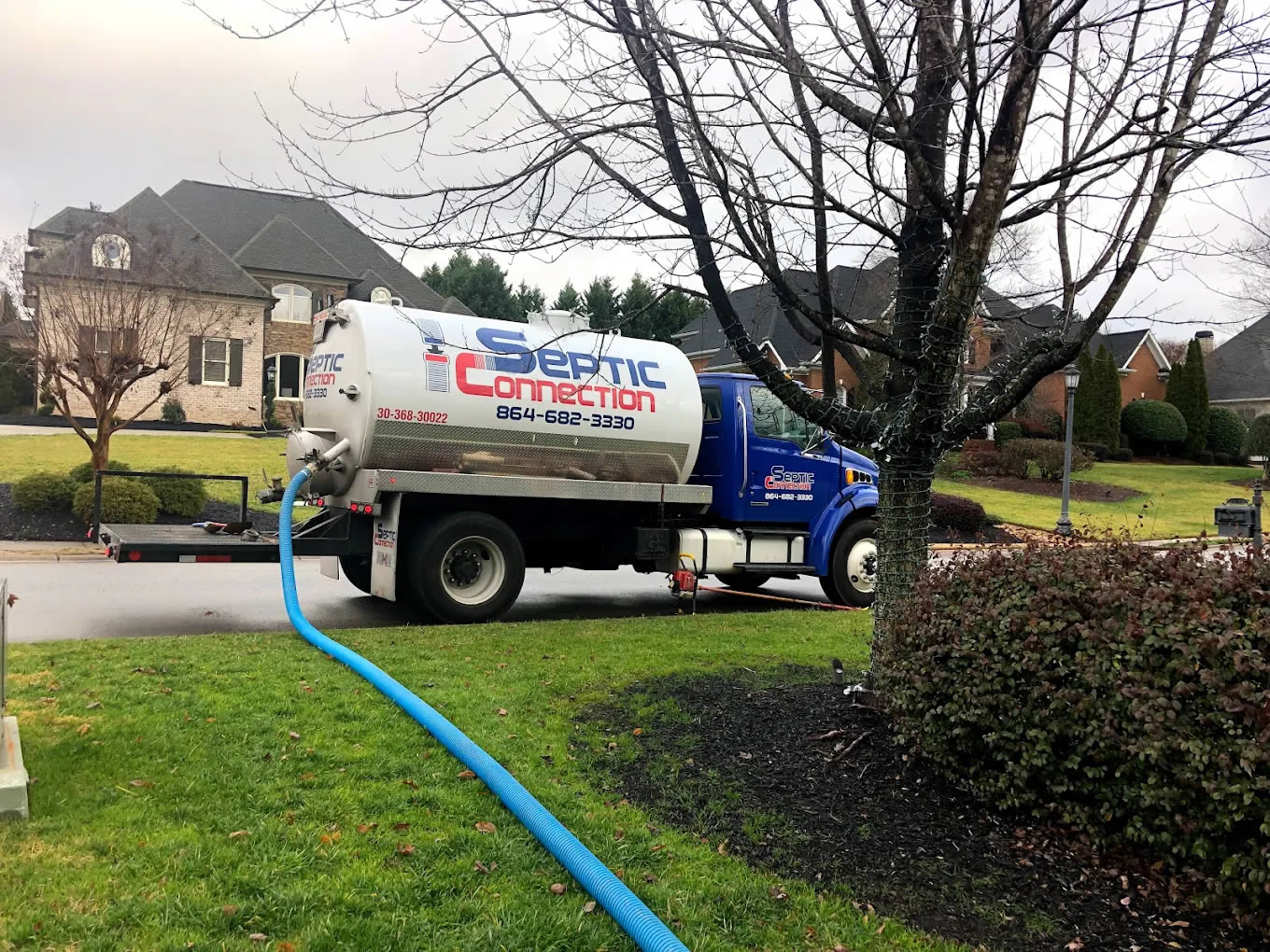
Septic tanks play a vital role in residential and commercial wastewater treatment, especially in properties not connected to a municipal sewer line. Whether you have a septic tank installation lined up or are moving into a new home in the suburbs, your water usage will determine the longevity and efficiency of your system. As a trusted septic company, Septic Connection can help you avoid overloading your tank with excess water. Let’s look at the causes of water overload in septic tanks and practical tips on how to reduce water usage.
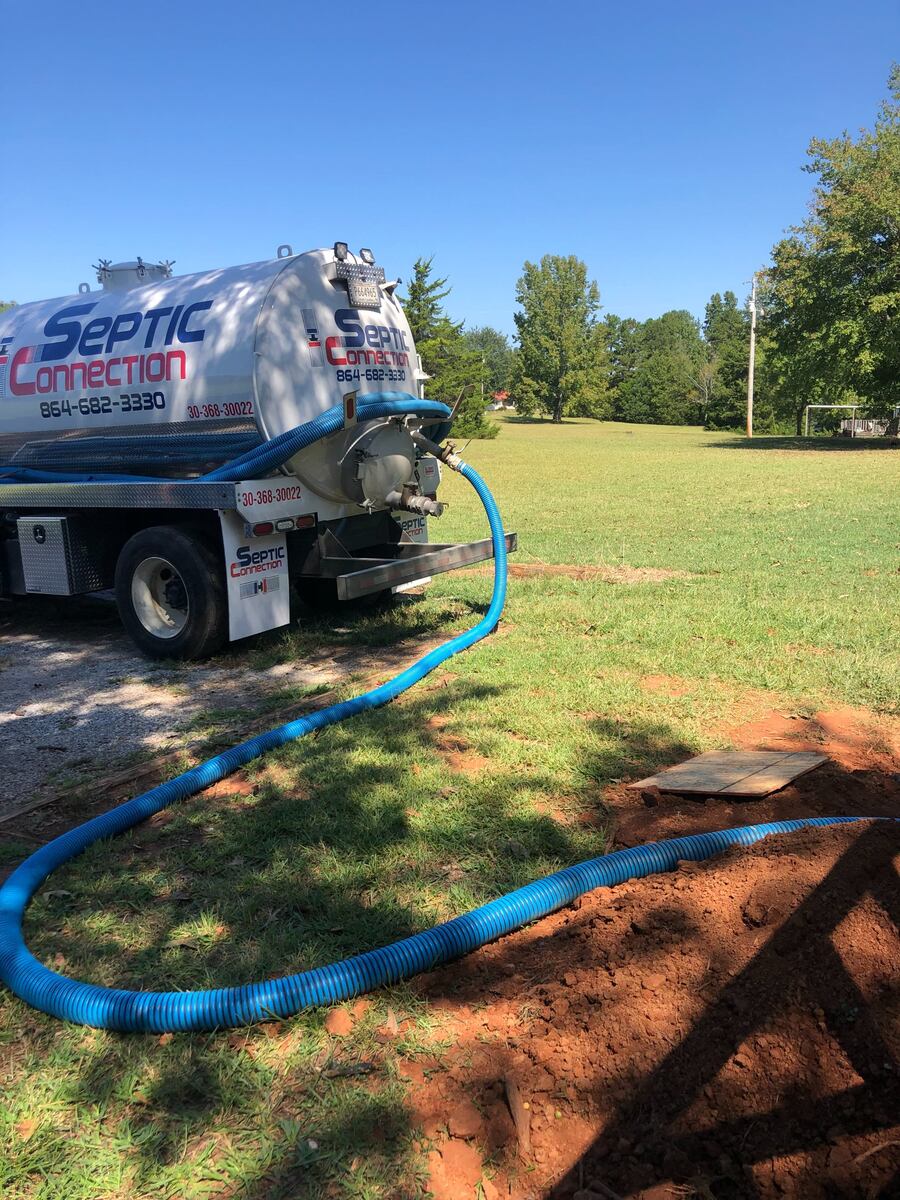
Water overload occurs when the volume of wastewater entering the tank exceeds its capacity to process efficiently. This excess water disrupts the delicate balance of the tank, causing various issues such as poor treatment, foul odors, and frequent septic tank repair calls. The best way to prevent these problems and extend your system’s lifespan is to manage your water consumption wisely.
Several common activities and practices contribute to water overload in wastewater disposal units. These include excessive water use in household chores, leaky fixtures, and the disposal of non-biodegradable materials. In addition, heavy rainfall and improper landscaping can introduce excess water into the septic system, making it more challenging for the tank to function efficiently.
As a property owner, reducing water usage not only saves money and time but also ensures a lasting septic system. Even if you run a commercial establishment, there are tips to help manage water consumption.
The septic system is an onsite waste treatment facility, and it is incredibly reliable. However, the system is only as effective…
Imagine flushing your toilet and then suddenly realizing that your backyard has turned into a swampy mess. This unpleasant experience is…
Soil testing is a critical step in various construction and environmental projects. It provides essential information about the ground conditions, which…
Grease traps are remarkable tools that help keep your establishment clean and free from bad odors. Septic Connection has a…
If you have just moved into a new home or property that relies on a septic system for waste and wastewater…
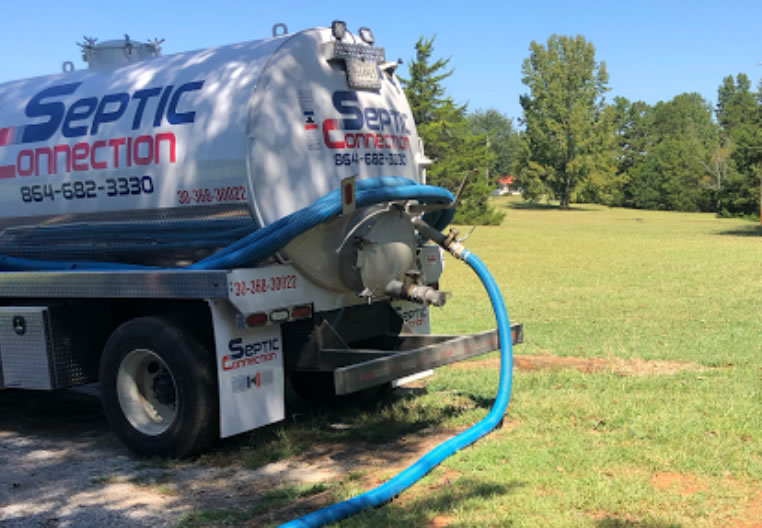
Regular septic tank pumping is an essential maintenance task to prevent water overload. Solids accumulate in the tank with time, reducing its capacity to handle wastewater effectively. Scheduling routine pumping every 2-5 years, depending on your household size and usage, ensures high performance. When you schedule routine septic tank pumping, you create more room for wastewater, reducing the risk of overloading.
Undetected and unaddressed leaks in your plumbing system can cause significant water wastage and overload your tank. Even small drips can add up to gallons of water with time. Regular checks for leaks in faucets, toilets, or pipes can help mitigate further deterioration. A professional septic company can pinpoint minor leaks before they become more pronounced, reducing the strain on your septic system.
Upgrading to low-flow fixtures such as toilets, showerheads, and faucets is a simple but effective way to reduce water usage. These fixtures deliver the same level of comfort and functionality while using significantly less water. They can help decrease the amount of water entering your septic tank, making it easier for the system to handle wastewater without overloading.
Schedule regular inspections with a trusted septic tank repair service to catch potential issues early. Our experts can detect signs like slow drains, gurgling noises, or foul odors and recommend effective solutions like septic tank cleaning or repair. Once you suspect a problem, addressing it quickly can prevent water overload and more significant septic system failures.
Avoid overwhelming your septic system by spacing out water-intensive activities. Instead of doing all your laundry and running the dishwasher on the same day, spread these tasks throughout the week. This approach allows your disposal unit more time to process wastewater properly. By distributing water usage, you reduce the risk of frequent septic tank cleaning and maintenance, especially during peak water consumption periods.
Incorporating water conservation measures into your daily routine is an effective way to protect your system from water overload and ensure long-term functionality. By following these tips and being mindful of your water usage, you can contribute to the sustainability of your septic system and the environment. Contact us at Septic Connection and schedule a consultation with our experts to access quality services, including septic tank installation, repair, and pumping, at competitive rates.
Your septic system works quietly behind the scenes, handling wastewater from your home every day. While it may not always be top of mind, the way you use water and…
Read more
Septic systems are one of those things homeowners rarely think about—until something goes wrong. Out of sight, out of mind, right? Unfortunately, ignoring regular septic tank…
Read more