Menu

Call This Tuesday to Get $25 OFF
Clean Solutions, Dirty Jobs – Done Right. Reliable. Responsive. Remarkable.
Call This Tuesday to Get $25 OFF
Clean Solutions, Dirty Jobs – Done Right. Reliable. Responsive. Remarkable.
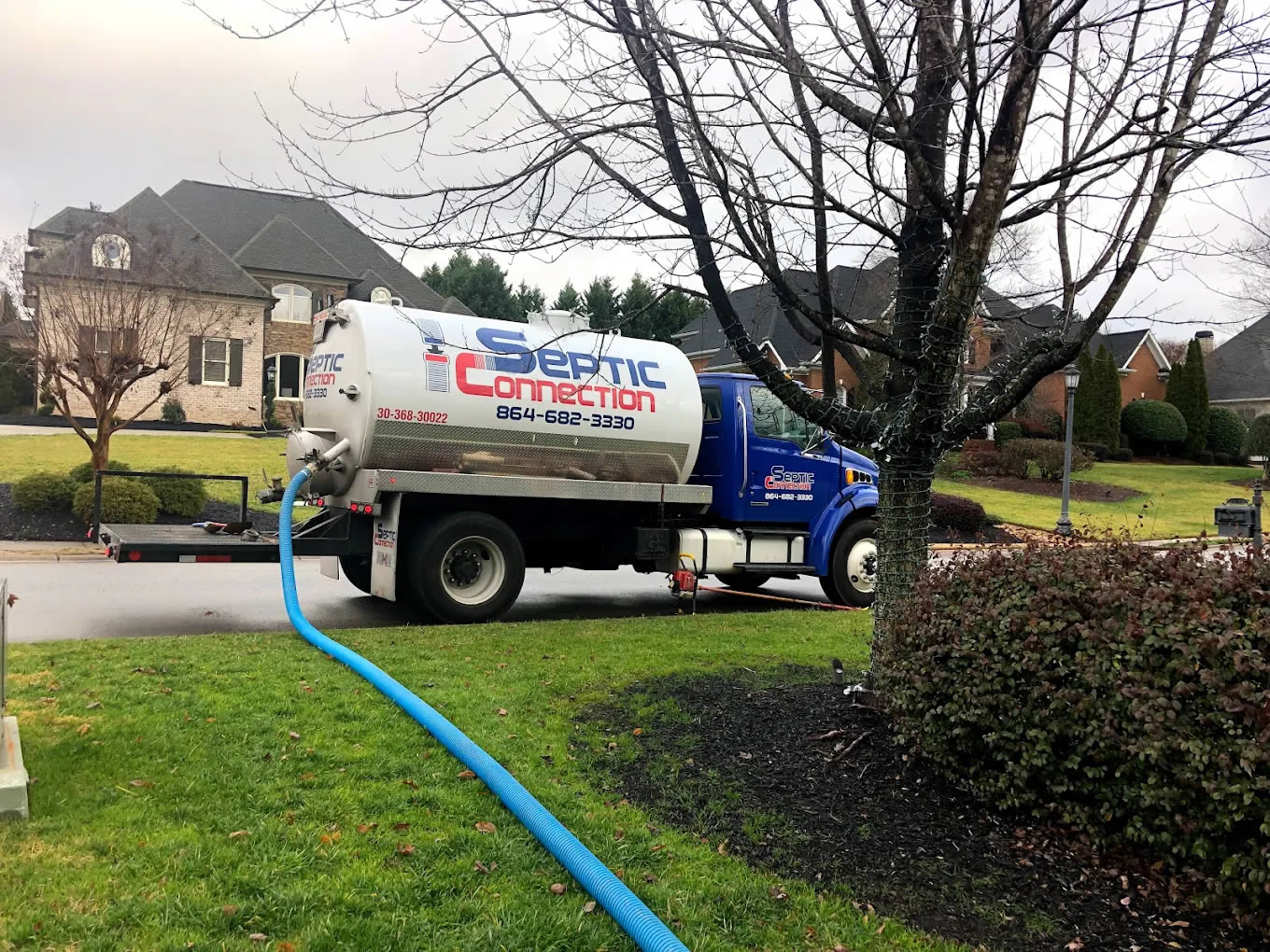
If you are a part of the twenty percent of U.S. homeowners with a septic system installed in the yard, then you should be curious about the effects of your lawncare on the septic system. Every spring and fall, homeowners start treating their lawns to get them ready for the upcoming seasons. This involves a lot of chemical treatments that can have repercussions for your septic system. At Septic Connection, we have a great deal of experience with the effects of fertilizers, pesticides, and weed killers on the septic system. This article will go over chemical lawn treatments and your septic system. If you have any particular questions, then feel free to call Septic Connection to consult with a specialist.
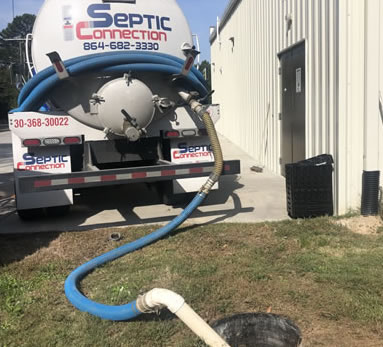
We will not straight out advise against chemical lawn treatments totally. The septic tank and drain field should be securely sealed and installed deep in the yard anyway. Plus, fertilizers, pesticides, and weed killers are usually designed to dissolve near the surface of the yard. When applied correctly, these products will not necessarily harm your septic system. However, they should be applied correctly. Be sure to follow the packaging directions carefully. Also, remember to have your septic system routinely inspected to ensure that it is not exposed to the surrounding.
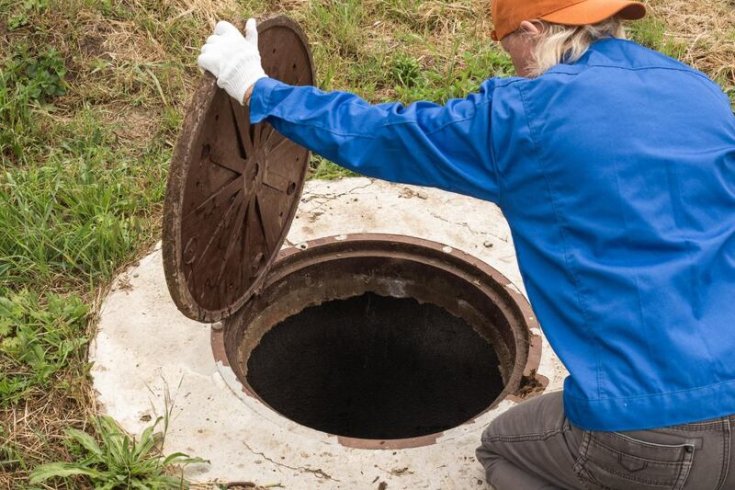
Your septic system uses a combination of chemical and biological methods to break down waste into sludge. The biological method involves vital “good” bacteria that decomposes solid waste into space-saving sludge. Chemicals found in fertilizers, pesticides, and weed killers can threaten that vital bacteria. So, it is important that the bacteria are not exposed to the chemical lawn treatments. Make sure that your septic system is sealed securely without cracks and loose points.
How you dispose of the unused chemical lawn treatments is also crucial. Homeowners often make the mistake of flushing the leftovers down the toilet or the sink. You should never pour chemicals down your drains. This can wipe out the bacteria and overwhelm your septic system, forcing you to get premature septic cleaning or even a replacement.
We appreciate a lush, green lawn as much as the next guy, but we always advise the safest route toward that end. There are ways to have a gorgeous yard without relying heavily on chemical treatments. First, opt for plants, shrubs, and turfgrass that is native to your area. They will be more likely to suffice with the available water and nutrients in the environment. Secondly, consider natural fertilizers like organic compost, attract natural predators instead of pesticides, and use a homemade solution of vinegar, salt, and dish soap instead of weed killers.
The septic system is an onsite waste treatment facility, and it is incredibly reliable. However, the system is only as effective…
Imagine flushing your toilet and then suddenly realizing that your backyard has turned into a swampy mess. This unpleasant experience is…
Soil testing is a critical step in various construction and environmental projects. It provides essential information about the ground conditions, which…
Grease traps are remarkable tools that help keep your establishment clean and free from bad odors. Septic Connection has a…
If you have just moved into a new home or property that relies on a septic system for waste and wastewater…
If you have made the mistake of pouring chemicals down your drains and are worried that your septic tank is suffering damage, then call Septic Connection as soon as possible. We can have a septic specialist at your location to take care of it today. Our representatives are ready to take your call.
A properly maintained septic system is essential for keeping a home safe, clean, and comfortable. Many homeowners do not think about their septic system until a problem occurs, but regular…
Read more
Your septic system works quietly behind the scenes, handling wastewater from your home every day. While it may not always be top of mind, the way you use water and…
Read more