Menu

Call This Tuesday to Get $25 OFF
Clean Solutions, Dirty Jobs – Done Right. Reliable. Responsive. Remarkable.
Call This Tuesday to Get $25 OFF
Clean Solutions, Dirty Jobs – Done Right. Reliable. Responsive. Remarkable.
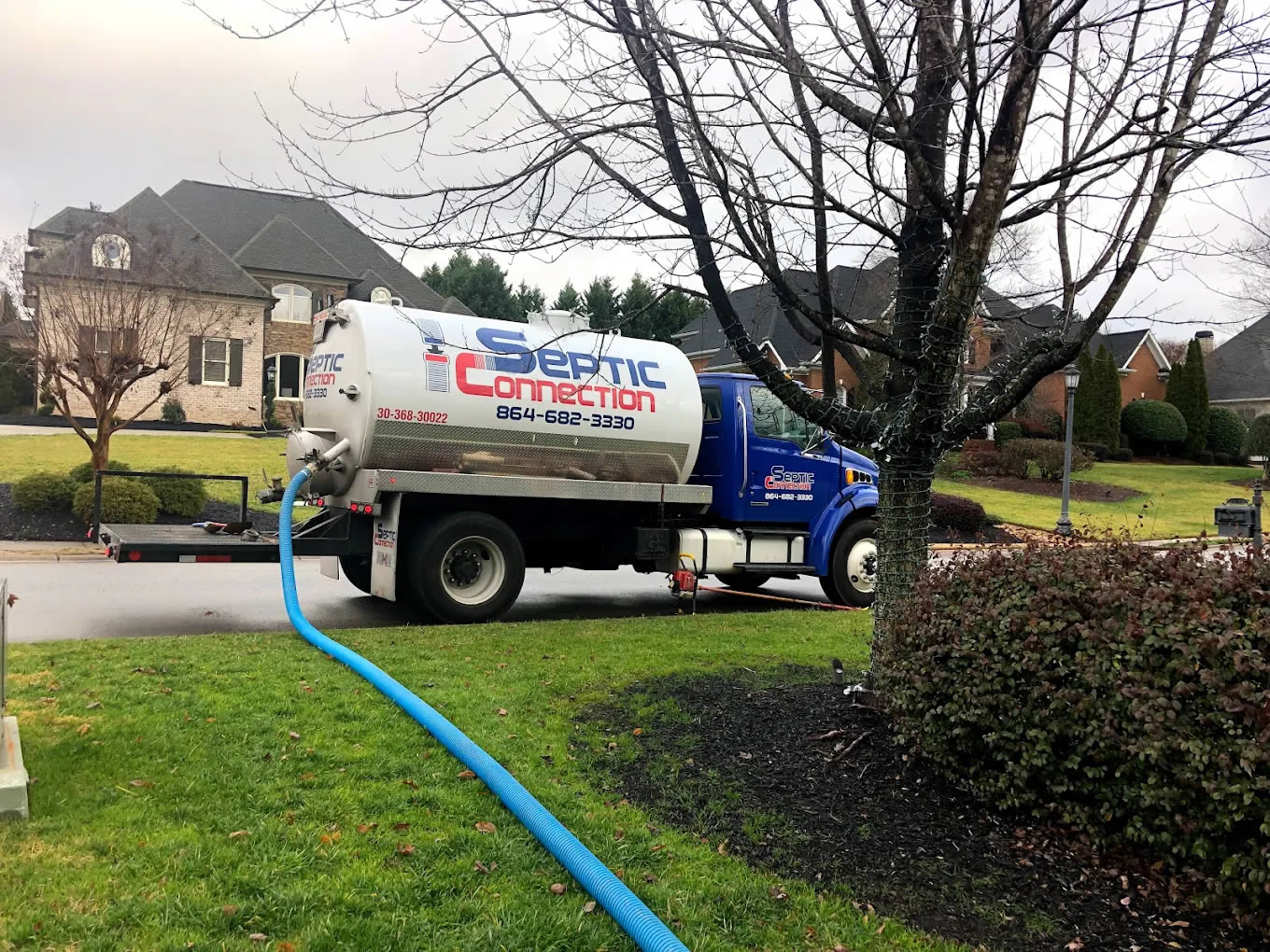
Clogged drains are common occurrences in homes and businesses. Grease, fats, and oils are even more common in kitchens. Unfortunately, the two are strongly associated. While grease, fats, and oils are great for serving up tasty food, their disposal can be tricky. Dumping them into the sink is the easiest option, but the risks are plenty. At Septic Connection, we have witnessed many issues with plumbing systems due to grease. We always advise that homes and businesses that use a large amount of grease install a grease trap. A grease trap installation has many benefits and this article will go over them.
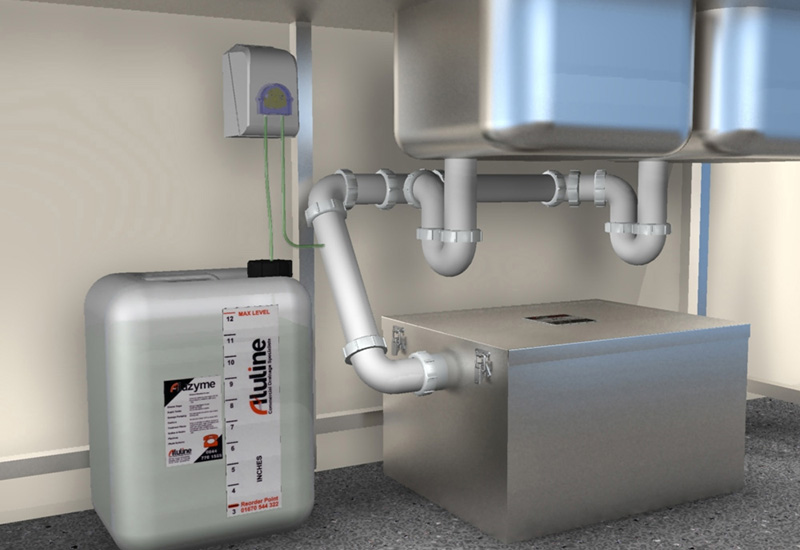
Pouring fats, oils, and greases (FOG) down the drain can give you gross and expensive problems. They can clog drains in your plumbing system just as they clog arteries in our bodies. Small amounts of FOG can be disposed properly by pouring them into an empty jar or can and tossing that into the trash. Businesses, at residential or commercial properties, however, need to dispose of a great volume of FOG. The jar or can method is just not feasible in this situation. For large-scale establishments such as restaurants and cafeterias, there is the grease trap.
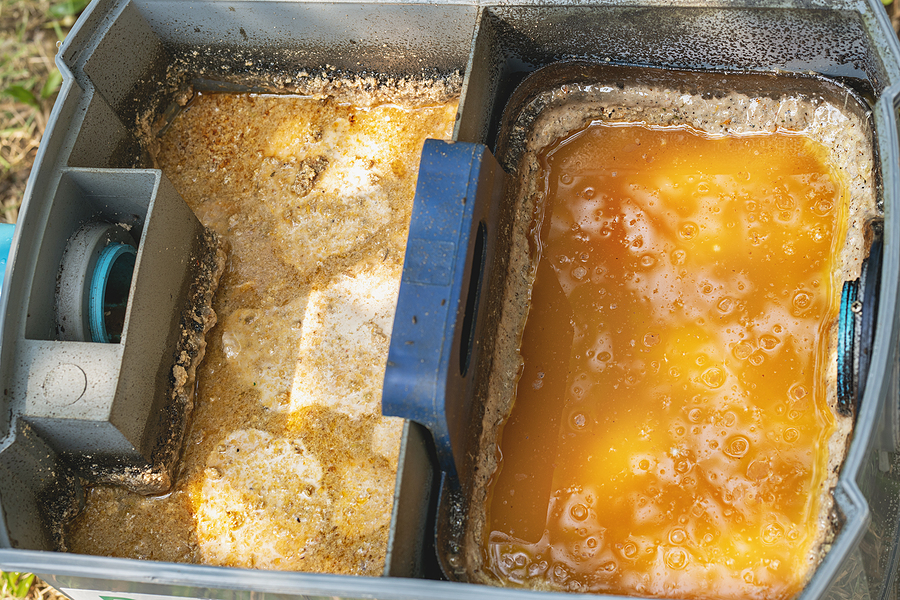
A grease trap is a device that is designed to collect and store FOG so that they do not enter the plumbing system and cause problems. These devices come in a variety of sizes and are not the most glamorous part of a kitchen. Therefore, they are often installed in hidden places beneath sinks or outside. From the outside, they look like simple metallic containers. In these containers are compartments filled with water as well as pipes leading in and out of the grease trap.
A grease trap works by catching and cooling down warm and hot FOG until they harden and float to the top, thereby preventing them from hardening while inside of the plumbing system. The cooler water, without the FOG, continues its journey down the pipe into the sewer system or septic system. Though the grease trap works well on its own, it does require maintenance and proper care. Scrape off extra food on plates to limit FOG, recycle your cooking oil, and regularly clear out your grease trap when it is about a fourth full. All of these should help the effectiveness of the grease trap.
The septic system is an onsite waste treatment facility, and it is incredibly reliable. However, the system is only as effective…
Imagine flushing your toilet and then suddenly realizing that your backyard has turned into a swampy mess. This unpleasant experience is…
Soil testing is a critical step in various construction and environmental projects. It provides essential information about the ground conditions, which…
Grease traps are remarkable tools that help keep your establishment clean and free from bad odors. Septic Connection has a…
If you have just moved into a new home or property that relies on a septic system for waste and wastewater…
As mentioned earlier, grease traps help prevent clogging by “trapping” FOG and cooling them so that they float to the top of the grease trap. The benefit is not limited to your property, however. Grease traps help even the environment by preventing FOG from reaching the sewer system, rivers, and streams. These FOG would contaminate water, potentially making it undrinkable as well as dangerous for animals living in these environments.
If you would like to do yourself and the environment a favor by installing a grease trap, consider calling the professionals at Septic Connection for any type of septic tank pumping and cleaning services in your area. We are always ready to help. Our friendly representatives are ready to take your call.
A properly maintained septic system is essential for keeping a home safe, clean, and comfortable. Many homeowners do not think about their septic system until a problem occurs, but regular…
Read more
Your septic system works quietly behind the scenes, handling wastewater from your home every day. While it may not always be top of mind, the way you use water and…
Read more