Menu

Call This Wednesday to Get $25 OFF
Clean Solutions, Dirty Jobs – Done Right. Reliable. Responsive. Remarkable.
Call This Wednesday to Get $25 OFF
Clean Solutions, Dirty Jobs – Done Right. Reliable. Responsive. Remarkable.
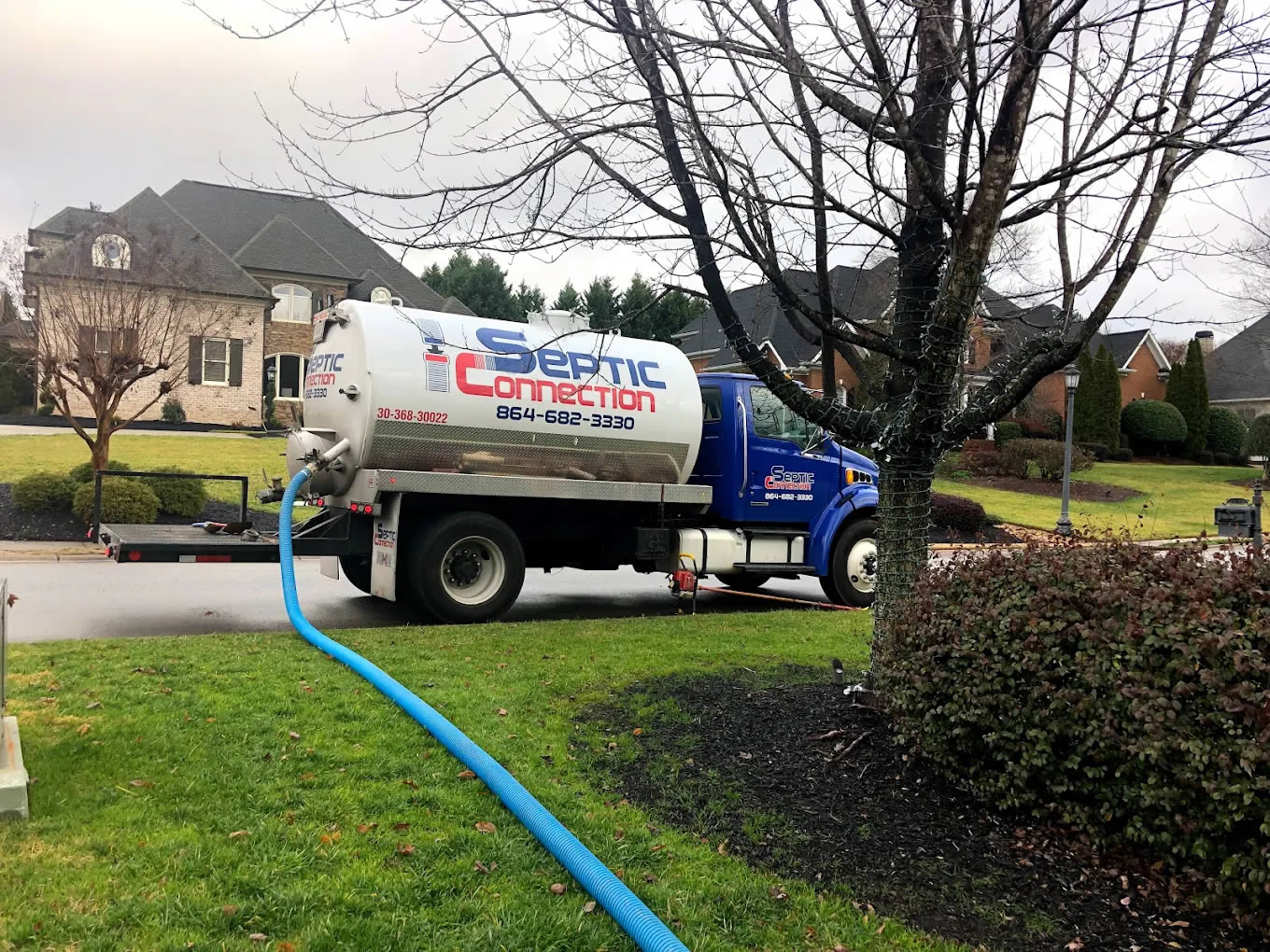
A properly functioning septic system is essential for protecting your home, property, and local environment. Unfortunately, many homeowners only think about their septic system when something goes wrong. As a trusted septic company, Septic Connection regularly helps property owners address avoidable issues that stem from neglected septic tank maintenance. Understanding the most common septic tank problems—and how routine septic tank pumping and septic cleaning can prevent them—can save you from costly repairs and major disruptions.
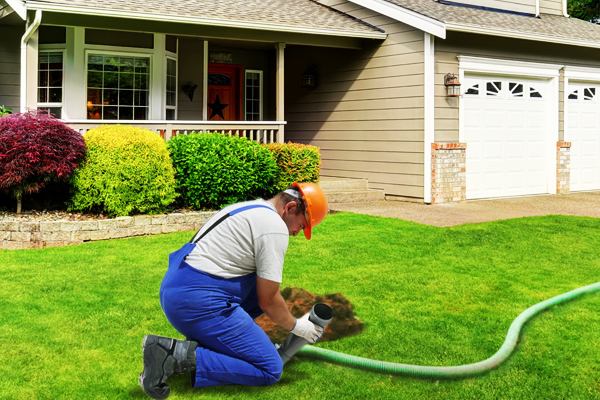
Every septic tank separates waste into three layers: solids (sludge) at the bottom, oils and grease (scum) at the top, and liquid effluent in the middle. Over time, sludge and scum naturally accumulate. When a tank is not pumped regularly, these layers can overflow into the drain field.
Routine septic tank pumping removes excess sludge and scum before they reach critical levels. This protects the drain field from clogging and extends the overall life of the system.
The septic system is an onsite waste treatment facility, and it is incredibly reliable. However, the system is only as effective…
Imagine flushing your toilet and then suddenly realizing that your backyard has turned into a swampy mess. This unpleasant experience is…
Soil testing is a critical step in various construction and environmental projects. It provides essential information about the ground conditions, which…
Grease traps are remarkable tools that help keep your establishment clean and free from bad odors. Septic Connection has a…
If you have just moved into a new home or property that relies on a septic system for waste and wastewater…
Slow-draining sinks, toilets, or showers are often early warning signs of septic trouble. In severe cases, wastewater may back up into the home—an unsanitary and stressful situation.
How pumping helps:
When a tank is full, it cannot properly accept incoming wastewater. Regular septic cleaning restores capacity and flow, reducing pressure on pipes and preventing messy backups inside your home.
The drain field plays a crucial role in filtering and dispersing wastewater into the soil. When solids escape from an overfilled tank, they clog the drain field pipes and surrounding soil, leading to system failure.
How pumping helps:
Consistent septic tank maintenance, including pumping, prevents solids from entering the drain field. This significantly lowers the risk of costly drain field replacement, one of the most expensive septic repairs a homeowner can face.
Persistent sewage odors near drains, the tank, or the yard indicate that waste is not being processed correctly. These smells are more than unpleasant, they signal a system under stress.
How pumping helps:
Septic tank pumping removes decomposing waste that produces harmful gases and odors. A clean, balanced tank operates more efficiently and keeps offensive smells under control.
Pooling water or unusually green grass near the septic tank or drain field may seem harmless, but it often points to leaks or overflow.
How pumping helps:
By keeping waste levels in check, regular pumping reduces hydraulic overload. This helps prevent wastewater from surfacing and protects the surrounding soil and landscaping.
A healthy septic system relies on beneficial bacteria to break down waste. Overuse of harsh chemicals or infrequent maintenance can disrupt this balance, slowing waste digestion.
How pumping helps:
While pumping removes accumulated waste, it also resets the system, allowing bacteria to function more effectively. Combined with responsible household habits, pumping supports long-term system health.
Most septic systems should be pumped every three to five years, though usage, household size, and tank capacity can affect the schedule. Working with a professional septic company ensures your system is inspected, cleaned, and maintained according to its specific needs.
At Septic Connection, we believe proactive care is the key to avoiding emergency repairs. Our expert septic tank pumping and septic cleaning services are designed to protect your investment, maintain safe sanitation, and give you peace of mind.
Don’t wait for warning signs to turn into expensive problems. Scheduling regular septic tank maintenance with Septic Connection is a simple, effective way to keep your system running smoothly for years to come.
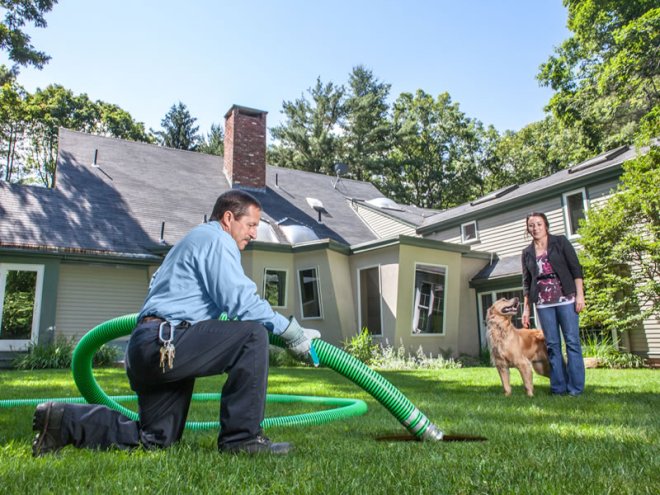
Your septic system works quietly behind the scenes, handling wastewater from your home every day. While it may not always be top of mind, the way you use water and…
Read more
Septic systems are one of those things homeowners rarely think about—until something goes wrong. Out of sight, out of mind, right? Unfortunately, ignoring regular septic tank…
Read more