Menu

Call This Wednesday to Get $25 OFF
Clean Solutions, Dirty Jobs – Done Right. Reliable. Responsive. Remarkable.
Call This Wednesday to Get $25 OFF
Clean Solutions, Dirty Jobs – Done Right. Reliable. Responsive. Remarkable.
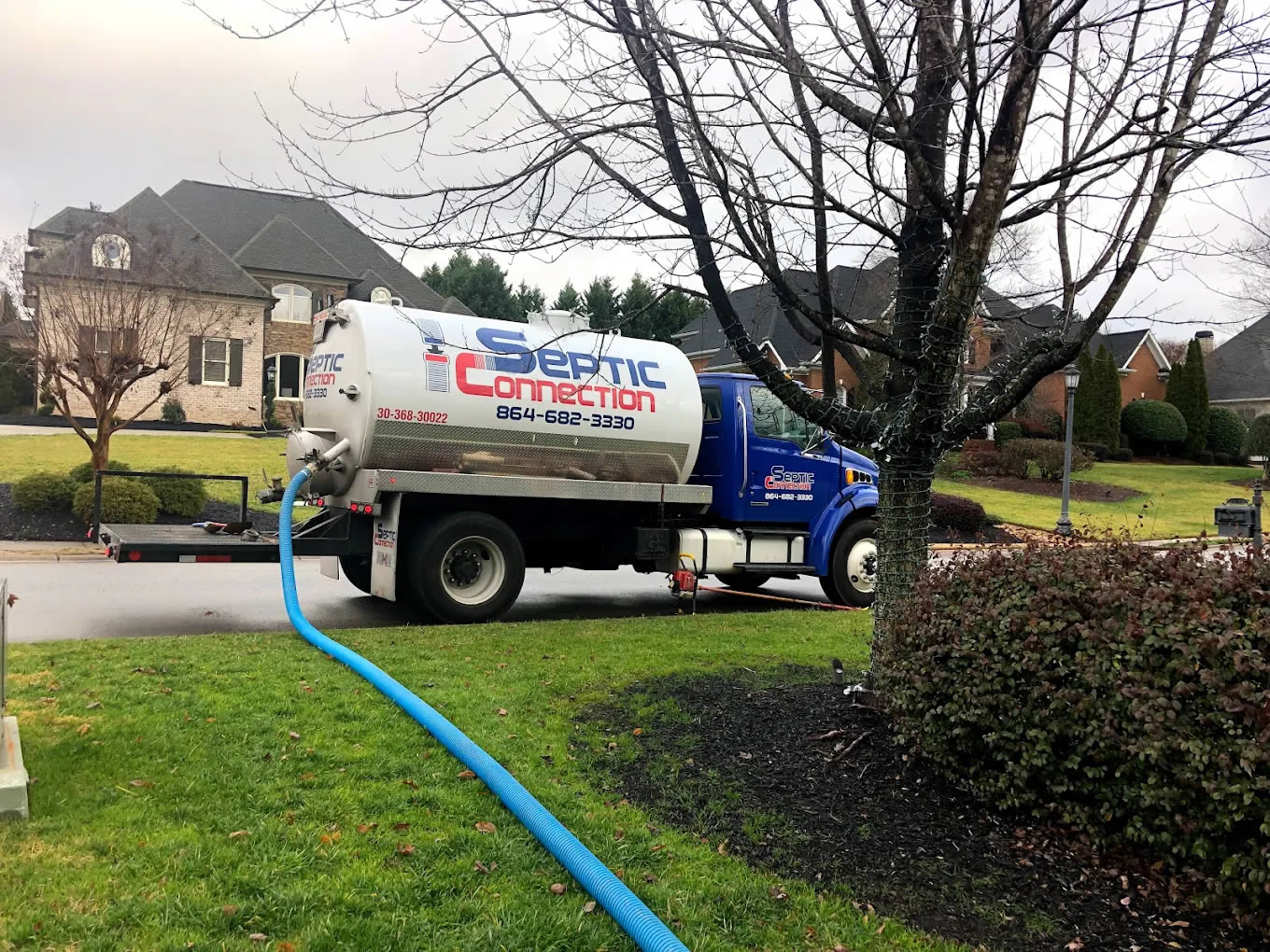
When managing wastewater from households and businesses, two primary systems come to mind: sewer and septic systems. Both play a crucial role in maintaining sanitation and protecting public health. However, sewer and septic systems function differently, and it is advisable to consult a professional septic company before moving into a building. We understand how these waste management systems function at Septic Connection, guaranteeing quality septic tank installation and maintenance.
The sewer system, commonly found in urban and densely populated areas, is a centralized network of underground pipes that transport wastewater and sewage from homes, commercial establishments, and industries to a treatment plant. The wastewater flows via gravity or with the help of pumping stations, where it undergoes extensive treatment before being safely released into the environment.
The system’s functioning displays uniformity and consistency. Wastewater flows through the pipes and follows a predetermined path, resulting in a relatively low level of urban water management. The treatment process involves standardized steps, contributing to a lower perplexity level in its operations.
In contrast to the sewer system, a septic system is typically employed in rural or less densely populated areas where municipal sewer lines are not accessible. The septic system operates as an on-site, decentralized wastewater treatment system. Wastewater from individual homes is directed into a septic tank buried underground. The tank acts as a primary treatment unit, allowing solids to settle at the bottom while the effluent moves to the drainfield, undergoing further natural purification through soil filtration. The drain field is fragile and contains many components, hence the need to hire a septic company for regular inspections.
The septic system is an onsite waste treatment facility, and it is incredibly reliable. However, the system is only as effective…
Imagine flushing your toilet and then suddenly realizing that your backyard has turned into a swampy mess. This unpleasant experience is…
Soil testing is a critical step in various construction and environmental projects. It provides essential information about the ground conditions, which…
Grease traps are remarkable tools that help keep your establishment clean and free from bad odors. Septic Connection has a…
If you have just moved into a new home or property that relies on a septic system for waste and wastewater…
The functioning of a septic system introduces more convenience in wastewater management. Each septic tank and drain field setup may vary depending on soil type, household size, and water usage patterns. The diverse configurations and adaptability of septic systems give rise to a higher level of performance, especially with routine septic tank repair and maintenance.
Now that you know how septic and sewer systems function, it is vital to know the differences before deciding. The last thing you want is an emergency sewer or septic tank repair, costing hundreds if not thousands. Here are the differences between these waste management methods.
The primary distinction between the sewer and septic systems lies in their infrastructure and coverage. Sewer systems involve an extensive network of pipes and treatment plants, serving entire communities. However, septic systems are localized to individual properties, providing independent wastewater treatment solutions. This is the reason many septic tank installation projects happen in the suburbs or city outskirts, where sewer lines are disconnected.
Sewer systems require higher upfront costs for construction and maintenance because of the complexity of the infrastructure. The costs are shared among the community or paid through utility fees. In contrast, septic tank installation costs entail individual maintenance, as it is the homeowner’s responsibility.
Septic systems often have a more favorable environmental impact, as they rely on natural processes for wastewater treatment. However, regular septic tank pumping is essential for reducing solid waste. Properly functioning septic systems can contribute to groundwater recharge and nutrient recycling. While effective in treatment, sewer systems may have a greater ecological footprint because of energy-intensive treatment processes and potential discharge issues.
Waste management is vital to property ownership, and we can help you maintain a safe and efficient system. Contact us at Septic Connection to enjoy quality services at competitive market rates, such as septic tank pumping, repair, and maintenance.

Your septic system works quietly behind the scenes, handling wastewater from your home every day. While it may not always be top of mind, the way you use water and…
Read more
Septic systems are one of those things homeowners rarely think about—until something goes wrong. Out of sight, out of mind, right? Unfortunately, ignoring regular septic tank…
Read more