Menu

Call This Wednesday to Get $25 OFF
Clean Solutions, Dirty Jobs – Done Right. Reliable. Responsive. Remarkable.
Call This Wednesday to Get $25 OFF
Clean Solutions, Dirty Jobs – Done Right. Reliable. Responsive. Remarkable.
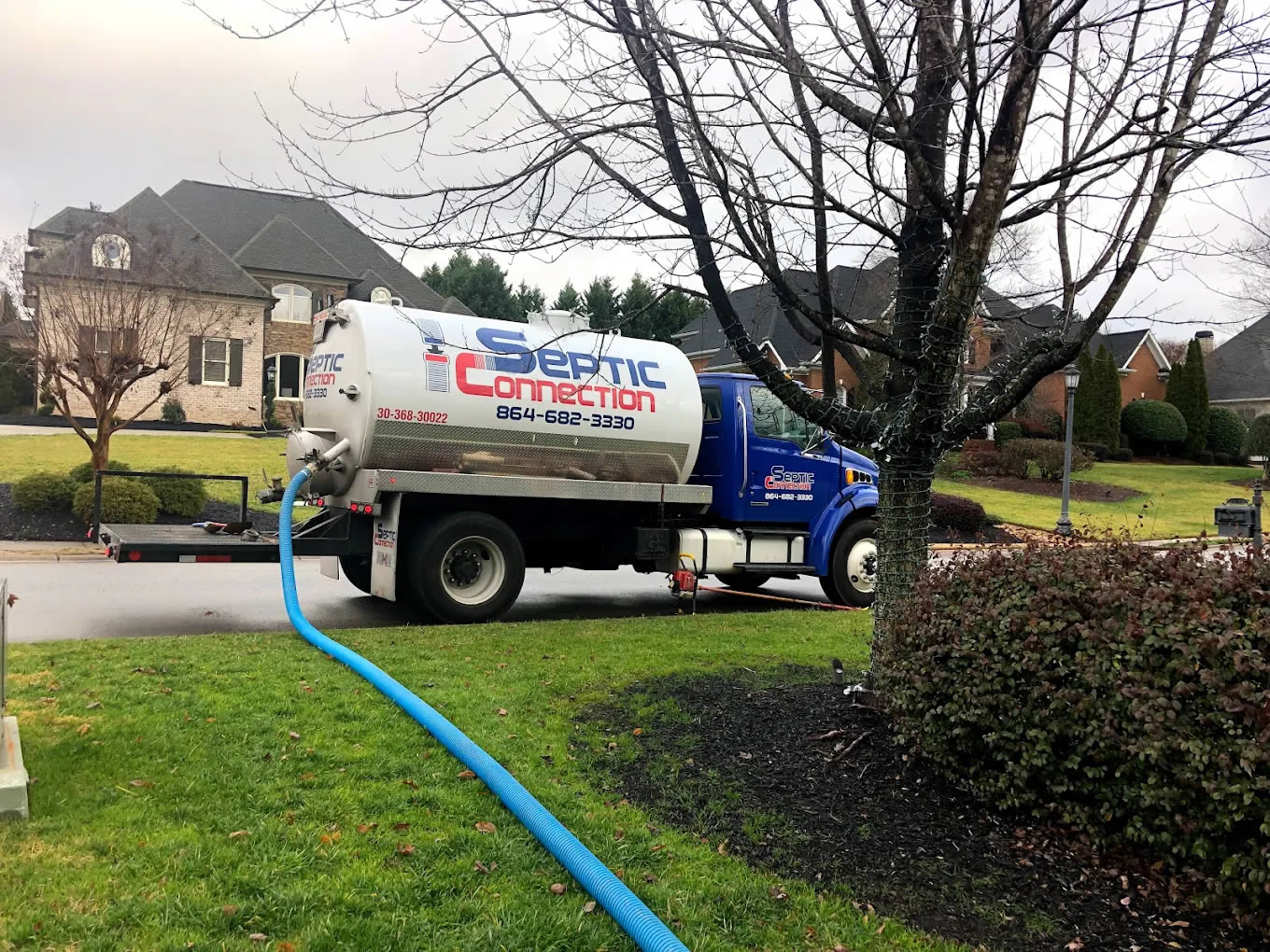
A septic tank backup is one of the most unpleasant and disruptive problems a homeowner can experience. Slow drains, sewage odors, or wastewater backing up into sinks and toilets are not just inconvenient, they are warning signs of a system under stress. Understanding why septic tank backups occur and how to prevent them can save you from costly repairs and serious health concerns. At Septic Connection, we help homeowners protect their systems through proactive septic service, regular septic cleaning, and professional septic tank pumping.
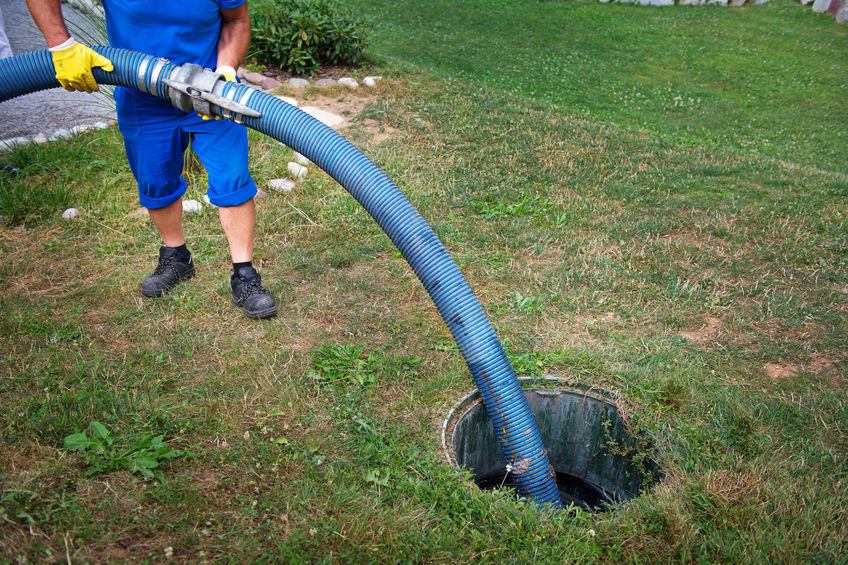
Septic backups do not happen overnight. They are usually the result of gradual issues that go unnoticed until the system reaches its limit.
One of the most common causes is a full or overloaded septic tank. Over time, solid waste accumulates and reduces the tank’s capacity. Without routine septic tank pumping, solids can overflow into the drain field, restricting wastewater flow and causing backups inside the home.
Clogged or damaged drain fields are another frequent culprit. When excess solids, grease, or non-biodegradable materials enter the system, they can block the soil’s ability to absorb wastewater. Heavy rain or poor drainage can worsen the issue by saturating the ground and preventing proper filtration.
The septic system is an onsite waste treatment facility, and it is incredibly reliable. However, the system is only as effective…
Imagine flushing your toilet and then suddenly realizing that your backyard has turned into a swampy mess. This unpleasant experience is…
Soil testing is a critical step in various construction and environmental projects. It provides essential information about the ground conditions, which…
Grease traps are remarkable tools that help keep your establishment clean and free from bad odors. Septic Connection has a…
If you have just moved into a new home or property that relies on a septic system for waste and wastewater…
Improper usage habits also play a major role. Flushing items such as wipes, paper towels, feminine products, or excessive grease can quickly overwhelm a septic system. Even products labeled “flushable” can contribute to clogs and backups.
Tree root intrusion is another hidden cause. Roots naturally seek moisture and can infiltrate septic pipes, causing blockages or pipe damage that leads to backups.
Most septic systems provide early warning signs before a full backup occurs. Slow-draining sinks, gurgling sounds in plumbing, sewage odors, and wet spots in the yard near the drain field are all indicators of trouble. If multiple drains are affected at the same time, the issue is often related to the septic system rather than individual plumbing fixtures.
Ignoring these signs can allow minor problems to escalate into major failures that require extensive repairs.
Consistent maintenance is the most effective way to prevent septic tank backups. Regular septic tank pumping removes accumulated solids before they interfere with system performance. Most households should schedule pumping every three to five years, though usage levels and tank size may require more frequent service.
Routine septic cleaning also helps maintain proper bacterial balance in the tank, allowing waste to break down efficiently. A professional septic company can evaluate sludge levels, inspect system components, and identify early signs of wear or damage.
Prevention also depends on daily habits. Limiting water usage, spacing out laundry loads, and fixing leaking faucets reduce strain on the system. Only human waste and septic-safe toilet paper should be flushed. Grease, food scraps, chemicals, and harsh cleaners should never enter the system, as they disrupt bacterial activity and contribute to blockages.
Protecting the drain field is equally important. Avoid parking vehicles or placing heavy structures over it, and ensure surface water is directed away to prevent saturation.
While homeowner habits matter, professional septic service is essential for long-term system health. A licensed septic company has the equipment and expertise to properly clean, pump, and inspect your system. They can also identify issues such as root intrusion, damaged pipes, or failing drain fields before a backup occurs.
Septic tank backups are largely preventable with the right care and professional support. If your system is showing warning signs or it has been several years since your last septic tank pumping, now is the time to act. Contact Septic Connection today to schedule an appointment and get peace of mind knowing your septic system is protected by experienced professionals who put your home’s safety first.

Your septic system works quietly behind the scenes, handling wastewater from your home every day. While it may not always be top of mind, the way you use water and…
Read more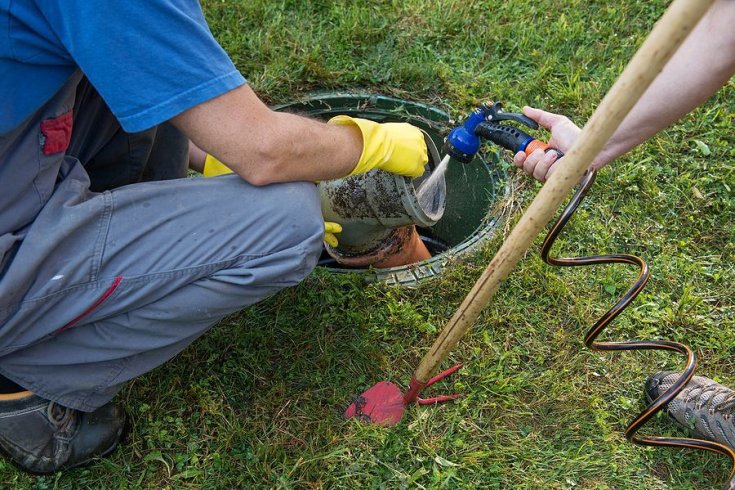
Septic systems are one of those things homeowners rarely think about—until something goes wrong. Out of sight, out of mind, right? Unfortunately, ignoring regular septic tank…
Read more