Menu

Call This Saturday to Get $25 OFF
Clean Solutions, Dirty Jobs – Done Right. Reliable. Responsive. Remarkable.
Call This Saturday to Get $25 OFF
Clean Solutions, Dirty Jobs – Done Right. Reliable. Responsive. Remarkable.
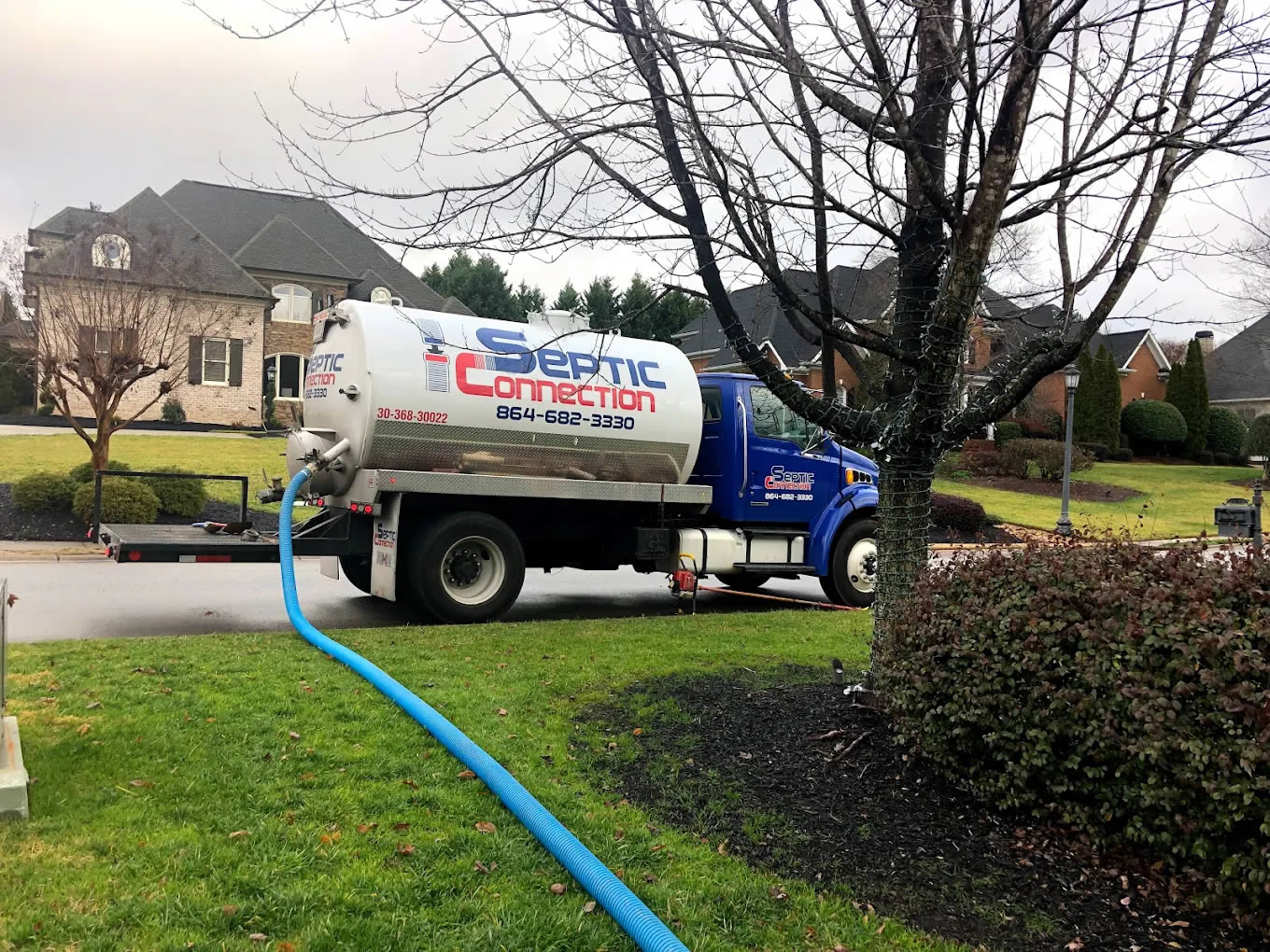
Heavy rain can cause many homeowners to worry about their septic systems, especially if drains start slowing down or unpleasant odors appear. If your sinks, toilets, or showers seem to back up after a storm, you may wonder whether your septic tank is suddenly full. At Septic Connection, we often hear this question: can heavy rain really make your septic tank seem full? The answer is yes, and understanding why can help you protect your system.
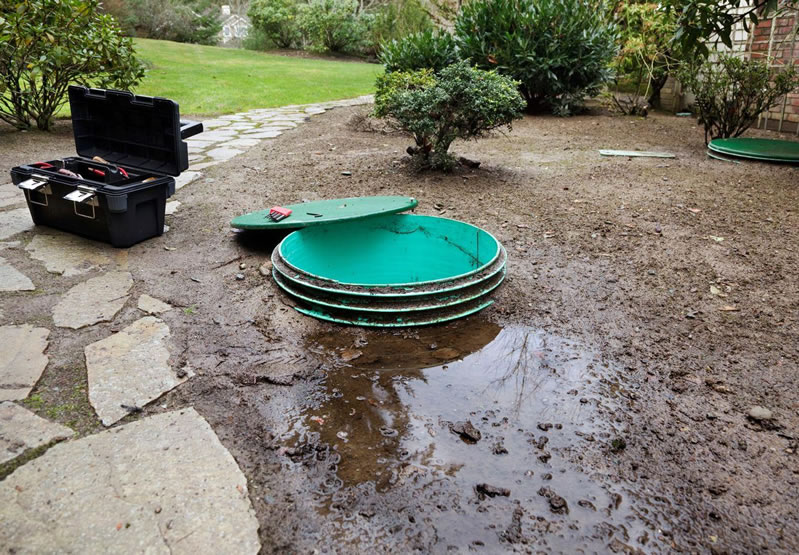
Your septic system is designed to treat and filter wastewater from your home. Wastewater flows into the septic tank, where solids settle at the bottom and lighter materials float to the top. The partially treated liquid then moves into the drainfield, where it filters naturally through the soil.
Routine septic tank pumping and septic cleaning remove accumulated solids and keep this process functioning properly. However, weather conditions can temporarily affect how efficiently your system operates.
During periods of intense or prolonged rainfall, the soil around your drainfield can become saturated. When this happens, the ground cannot absorb additional wastewater effectively. Even if your septic tank isn’t technically full of solids, wastewater has nowhere to go.
Lift station problems don’t grade on a curve. A pump running at half capacity or cycling too often is already costing…
The septic system is an onsite waste treatment facility, and it is incredibly reliable. However, the system is only as effective…
Imagine flushing your toilet and then suddenly realizing that your backyard has turned into a swampy mess. This unpleasant experience is…
Soil testing is a critical step in various construction and environmental projects. It provides essential information about the ground conditions, which…
Grease traps are remarkable tools that help keep your establishment clean and free from bad odors. Septic Connection has a…
This can create symptoms that make your septic tank seem full, including:
Because the drainfield is overloaded with rainwater, wastewater backs up into the tank and potentially into your home’s plumbing.
It’s important to distinguish between a truly full septic tank and a system overwhelmed by heavy rain. If you’ve kept up with septic maintenance and recently scheduled septic tank pumping, rain is likely the culprit.
However, if your tank hasn’t been serviced in several years, excess rain can worsen an already full system. In that case, you may need immediate septic service to prevent further damage.
A professional septic company like Septic Connection can inspect your tank, measure sludge levels, and determine whether septic cleaning or pumping is necessary.
Regular septic maintenance is your best defense against weather-related issues. When solids build up excessively, they can flow into the drainfield and clog the soil. This makes the system more vulnerable during heavy rain.
By scheduling septic tank pumping every three to five years—or as recommended based on household size—you reduce the risk of backups. Preventative septic service also helps identify minor issues before they turn into costly repairs.
If your area experiences significant rainfall, there are steps you can take to reduce stress on your septic system:
Reducing water flow into the system gives your drainfield time to recover once the soil begins to dry.
If backups continue after the ground has dried, it may indicate a deeper issue such as a blocked pipe, compacted soil, or drainfield failure. Persistent problems require professional evaluation.
Septic Connection provides reliable septic service, including septic cleaning, inspections, and emergency septic tank pumping. Our experienced technicians can determine whether heavy rain caused a temporary issue or if more extensive repairs are needed.
If you’re experiencing slow drains or suspect your septic system is struggling after a storm, contact Septic Connection today. As a trusted septic company, we’re committed to keeping your system operating safely and efficiently in every season.
A septic system is one of the most important parts of a property, but it is often ignored until something goes wrong. When it is working properly, wastewater moves out…
Read more
Many products marketed as “flushable wipes” claim to be safe for plumbing and sewer systems. Unfortunately, homeowners with septic systems often discover that these wipes can create serious and expensive…
Read more