Menu

Call This Sunday to Get $25 OFF
Clean Solutions, Dirty Jobs – Done Right. Reliable. Responsive. Remarkable.
Call This Sunday to Get $25 OFF
Clean Solutions, Dirty Jobs – Done Right. Reliable. Responsive. Remarkable.
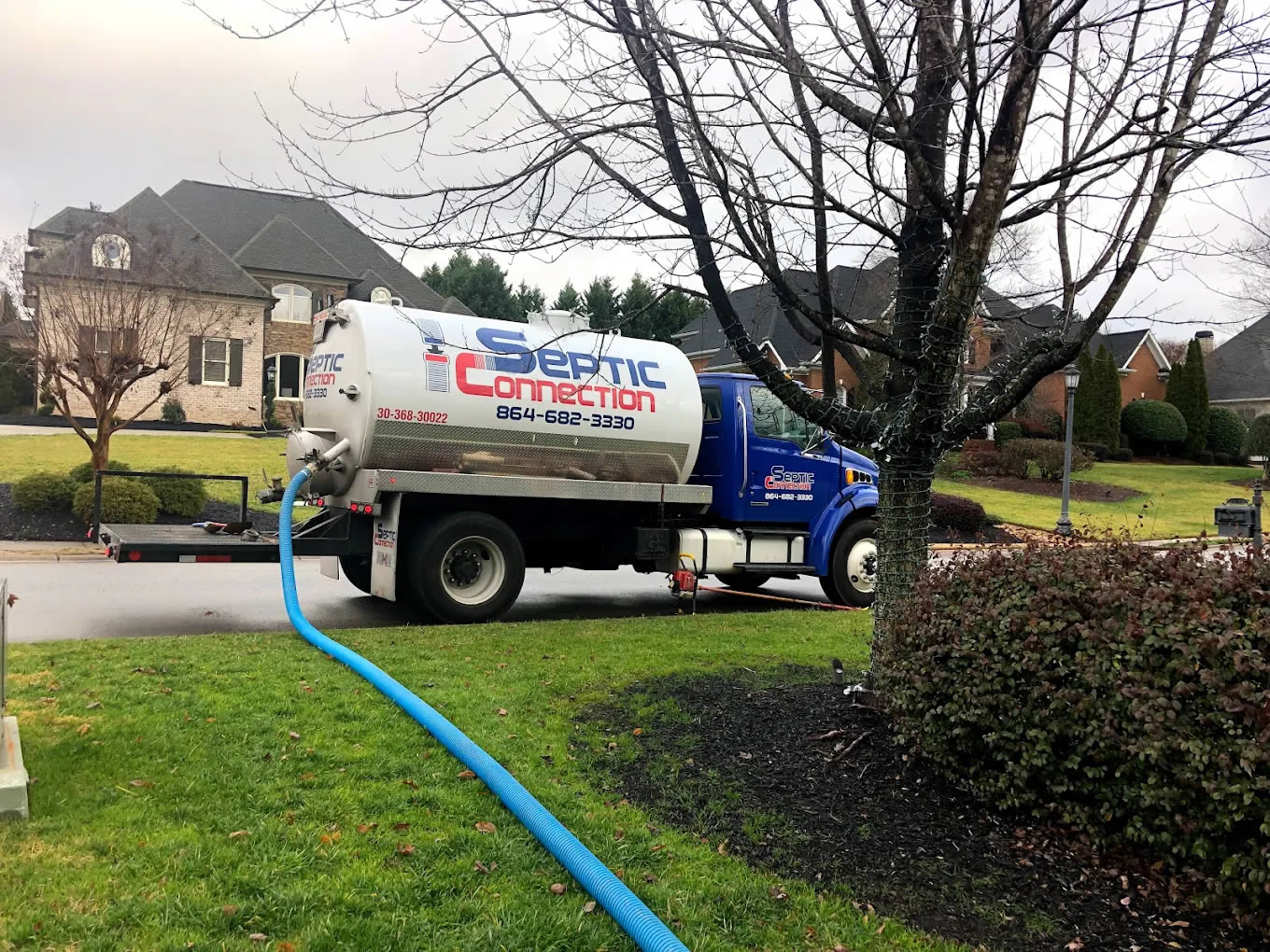
Septic systems are crucial for managing wastewater, especially in areas without a municipal sewage system. If you are considering a septic tank installation, understanding the different parts, such as a tank and a leach field, can help you provide better care. While these components work together to treat and disperse wastewater, homeowners often wonder if it’s possible to have a septic tank without a leach field. Septic Connection can assess your waste disposal needs and preferences to determine the best option.
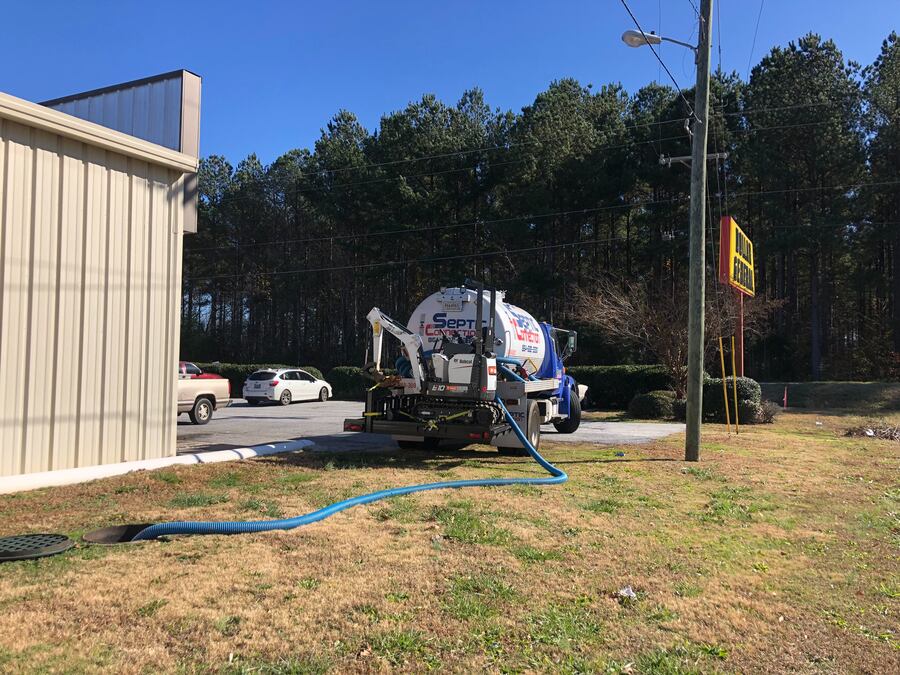
Understanding how the system operates is essential before undertaking a septic tank installation without a leach field, also known as a drain field. The wastewater from your drains enters the septic tank, where solids settle at the bottom, and lighter materials like grease and oils float to the top. The waste at the bottom forms sludge, prompting routine septic tank pumping sessions.
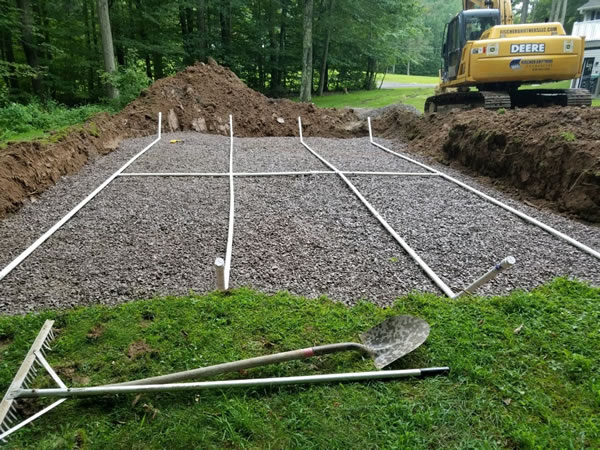
Bacteria in the tank break down organic matter, partially treating the wastewater before entering the leach field and infiltrating through soil layers. If you notice foul smells or stagnant water, it shows you need septic tank repair to avoid contamination. The leach field plays a vital role in this process, and regular inspections by a trusted septic company ensure safe dispersal and wastewater filtration.
Although a drain field is the standard component of a septic system, a septic company can recommend viable alternatives for situations where traditional leach fields are not practical or permitted. Here are some options if you can’t have a drain field.
Lift station problems don’t grade on a curve. A pump running at half capacity or cycling too often is already costing…
The septic system is an onsite waste treatment facility, and it is incredibly reliable. However, the system is only as effective…
Imagine flushing your toilet and then suddenly realizing that your backyard has turned into a swampy mess. This unpleasant experience is…
Soil testing is a critical step in various construction and environmental projects. It provides essential information about the ground conditions, which…
Grease traps are remarkable tools that help keep your establishment clean and free from bad odors. Septic Connection has a…
A leach field is not ideal in areas with high groundwater or poor soil conditions. However, a mound system may be used instead. These systems involve constructing an above-ground mound of sand, gravel, and soil to disperse and treat wastewater before reaching the groundwater.
ATUs are advanced septic systems that use aerobic bacteria to treat wastewater more efficiently than traditional tanks. These systems can be used without a leach field by discharging the treated effluent directly into a surface water body or by using an alternative disposal method approved by local regulations.
Some jurisdictions restrict the use of leach fields to protect soil conditions and the environment. Holding tanks can provide temporary storage until the next septic tank pumping session, where it’s transported to a wastewater treatment facility for proper disposal.
Once you choose a suitable alternative, the next step is to work with a professional and ensure the project follows set regulations. Let’s consider the critical considerations when choosing a septic tank without a drain field.
Local regulations and building codes may dictate whether alternative septic system designs are permitted in a specific area. Before installing a wastewater treatment system, it’s essential to consult with local authorities and get permits.
Choosing the proper septic system design is crucial for minimizing the environmental impact. Systems that discharge treated effluent directly into surface water bodies must meet stringent water quality standards to prevent pollution. In addition, routine septic tank cleaning goes a long way to ensure safety and compliance.
Different wastewater system designs have varying maintenance requirements. You should be prepared to schedule regular septic tank repair and maintenance to ensure enhanced efficiency and performance. A well-maintained unit also complies with building and health codes, preventing fines or legal action.
While a leach field is a standard component of most septic systems, alternative designs are available for various situations to address your needs and preferences. Contact us at Septic Connection and schedule a consultation with our experts to determine your property’s most suitable system design. We provide comprehensive services, from installation to routine septic tank cleaning, so that you can enjoy a comfortable home.

Many products marketed as “flushable wipes” claim to be safe for plumbing and sewer systems. Unfortunately, homeowners with septic systems often discover that these wipes can create serious and expensive…
Read more
A septic system is one of the most important parts of a home, yet many homeowners rarely think about it until something goes wrong. One of the most common questions…
Read more