Menu

Call This Monday to Get $25 OFF
Clean Solutions, Dirty Jobs – Done Right. Reliable. Responsive. Remarkable.
Call This Monday to Get $25 OFF
Clean Solutions, Dirty Jobs – Done Right. Reliable. Responsive. Remarkable.
Most homeowners rarely think about their septic system unless something goes wrong. However, a lot happens inside a septic tank between scheduled cleanings. From separating wastewater to breaking down organic matter, your tank continuously processes household waste to help keep your plumbing functioning properly. Understanding how this process works can help you recognize the importance of routine septic maintenance and avoid unexpected problems.

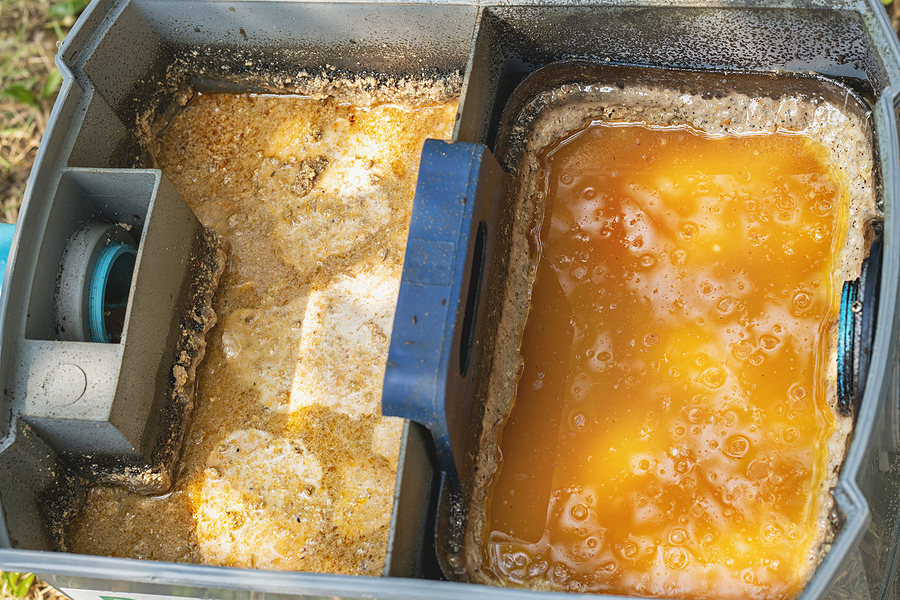
Every time you flush a toilet, run a shower, or wash dishes, wastewater travels through your home's plumbing and enters the septic tank. Once inside, the wastewater begins separating into three distinct layers. Heavy solids settle to the bottom, forming a layer called sludge. Lighter materials, including grease and oils, rise to the surface and create a floating layer known as scum. Between these layers is a relatively clear liquid called effluent.
This separation process is essential because it allows the system to retain much of the solid waste while directing liquid wastewater toward the drain field for further treatment. However, the tank cannot store solids indefinitely. As sludge and scum accumulate, the available space for wastewater decreases, making regular septic tank pumping in Belton, SC necessary.
Your septic tank contains naturally occurring bacteria and other microorganisms that help decompose organic materials. These microorganisms break down some of the waste entering the tank, reducing the amount of solid material that accumulates over time. However, biological decomposition does not eliminate all waste. Certain materials break down slowly or remain in the tank, gradually contributing to the sludge layer. This is why even a properly functioning system eventually requires professional septic cleaning in Simpsonsville.
Lift station problems don’t grade on a curve. A pump running at half capacity or cycling too often is already costing…
The septic system is an onsite waste treatment facility, and it is incredibly reliable. However, the system is only as effective…
Imagine flushing your toilet and then suddenly realizing that your backyard has turned into a swampy mess. This unpleasant experience is…
Soil testing is a critical step in various construction and environmental projects. It provides essential information about the ground conditions, which…
Grease traps are remarkable tools that help keep your establishment clean and free from bad odors. Septic Connection has a…
Homeowners can support this natural process by avoiding the disposal of grease, excessive food waste, harsh chemicals, and non-biodegradable products through household drains. Items such as wet wipes, paper towels, and feminine hygiene products can accumulate and interfere with normal system operation.
Between cleanings, the sludge and scum layers gradually grow. As these layers become thicker, the tank has less room to separate and hold incoming wastewater effectively. If the tank becomes excessively full of solids, waste can escape into the outlet pipe and enter the drain field. The soil in this area is designed to filter and treat wastewater, but excessive solids can clog the system and interfere with drainage.
Homeowners may eventually notice slow drains, gurgling plumbing, unpleasant odors, or unusually wet areas near the drain field. These symptoms can indicate a septic problem, although other plumbing issues may produce similar warning signs.
The ideal maintenance schedule depends on tank size, household occupancy, water consumption, and the amount of solid waste entering the system. Many residential septic tanks require pumping every three to five years, but some need attention more frequently.
Septic Connection can inspect your system, assess sludge and scum levels, and recommend an appropriate pumping schedule. Regular inspections also help identify damaged components, leaks, and other developing issues.
Your septic tank performs an important job every day, even when you cannot see what's happening underground. Understanding its natural processes makes it easier to appreciate why routine maintenance is essential.
Septic Connection can help homeowners keep their systems functioning properly through professional septic cleaning, pumping, and maintenance services. With consistent care and timely inspections, you can protect your property, reduce the risk of unexpected breakdowns, and extend the life of your septic system.

Most homeowners rarely think about their septic system unless something goes wrong. However, a lot happens inside a septic tank between scheduled cleanings. From separating wastewater to breaking down organic…
Read more
A garbage disposal can make kitchen cleanup faster and more convenient, but homeowners with septic systems often wonder whether the two can work together. While garbage disposals are useful for…
Read more