Menu

Call This Tuesday to Get $25 OFF
Clean Solutions, Dirty Jobs – Done Right. Reliable. Responsive. Remarkable.
Call This Tuesday to Get $25 OFF
Clean Solutions, Dirty Jobs – Done Right. Reliable. Responsive. Remarkable.
A septic system is a major investment, so homeowners naturally want to know how long it will last. While there is no single expiration date for every septic tank, a properly installed and maintained system can serve a home for decades. How long it actually lasts depends on the tank material, soil conditions, household usage, installation quality, and how consistently the system receives professional care. Understanding what affects your septic system's lifespan can help you prevent unnecessary damage and get the most value from your investment.

Concrete septic tanks are generally known for their durability and can last for several decades when properly maintained. Plastic and fiberglass tanks can also have long service lives, although their performance can depend on installation conditions and surrounding soil.
The tank itself is only one part of the system. Drainfields, pipes, pumps, baffles, and other components can experience problems long before the tank reaches the end of its useful life. Regular inspections and septic maintenance by Septic Connection can help identify these issues before they result in expensive repairs.
One of the most important things you can do to protect your septic system is schedule professional septic tank pumping in Belton, SC. Over time, solids accumulate at the bottom of the tank. If they are allowed to build up excessively, they can interfere with the tank's ability to separate wastewater and solids properly.
Lift station problems don’t grade on a curve. A pump running at half capacity or cycling too often is already costing…
The septic system is an onsite waste treatment facility, and it is incredibly reliable. However, the system is only as effective…
Imagine flushing your toilet and then suddenly realizing that your backyard has turned into a swampy mess. This unpleasant experience is…
Soil testing is a critical step in various construction and environmental projects. It provides essential information about the ground conditions, which…
Grease traps are remarkable tools that help keep your establishment clean and free from bad odors. Septic Connection has a…
The appropriate pumping schedule depends on factors such as household size, tank capacity, water usage, and the amount of solids entering the system. Rather than waiting for a backup or unpleasant odor, homeowners should work with a qualified septic professional to determine an appropriate schedule.
Your septic system is designed to handle wastewater and normal household waste, not everything that can fit down a drain. Avoid flushing items such as wipes labeled as flushable, paper towels, feminine hygiene products, grease, and other materials that may contribute to clogs or excessive solids.
Household chemicals can also interfere with the natural biological processes inside a septic system. Using drains and toilets responsibly can reduce unnecessary stress on the system.
Excessive water usage can put additional strain on a septic system. When too much water enters the tank in a short period, the system may not have enough time to properly process wastewater.
Fix leaking faucets and toilets, spread laundry throughout the week instead of doing many loads in one day, and consider water-efficient fixtures. These simple habits can support better septic system performance.
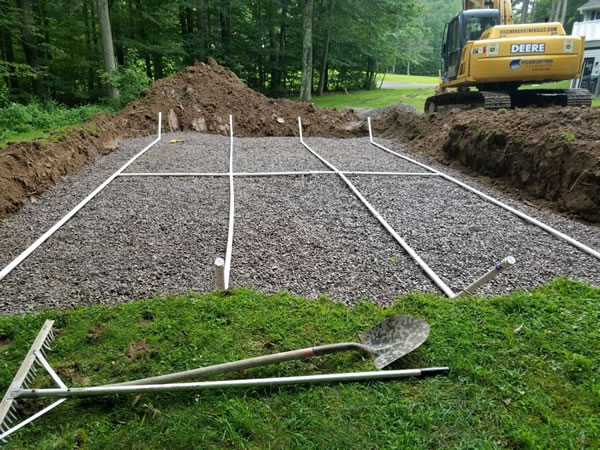
Your drainfield plays a critical role in treating and dispersing wastewater. Avoid driving vehicles or parking heavy equipment over the drainfield, as excessive weight can compact the soil or damage underground components.
You should also avoid planting trees with aggressive root systems directly over or near the drainfield. Keep the area clear and make sure surface water is directed away from it whenever possible.
Routine septic cleaning and inspections can help identify developing problems before they become major failures. A professional can check the tank and system components for signs of damage, excessive solids, drainage problems, or other concerns. Working with an experienced septic company also gives homeowners a better understanding of when pumping, septic tank repairs, or other services may be necessary.
There is no guaranteed lifespan for a septic system, but responsible use and consistent septic service can make a significant difference. Regular pumping, professional inspections, water conservation, and proper drainfield care can help prevent avoidable problems and extend the system's useful life.
Septic Connection can help homeowners maintain their septic systems with professional service and maintenance. Contact us to start taking care of your septic system today and help avoid costly emergencies tomorrow.

A septic system is a major investment, so homeowners naturally want to know how long it will last. While there is no single expiration date for every septic tank, a…
Read more
Hosting friends or family for a weekend can be exciting, but a full house also means your plumbing and septic system will be working harder than usual. More showers, toilet…
Read more